

Most people describe InMode as "hot, with a slight zing," and it isn't a very painful treatment. At DAYONE, most patients have it with no numbing or with numbing cream alone. Even among RF treatments, the heat goes into relatively shallow layers, so it tends to hurt less.
What Does It Feel Like?
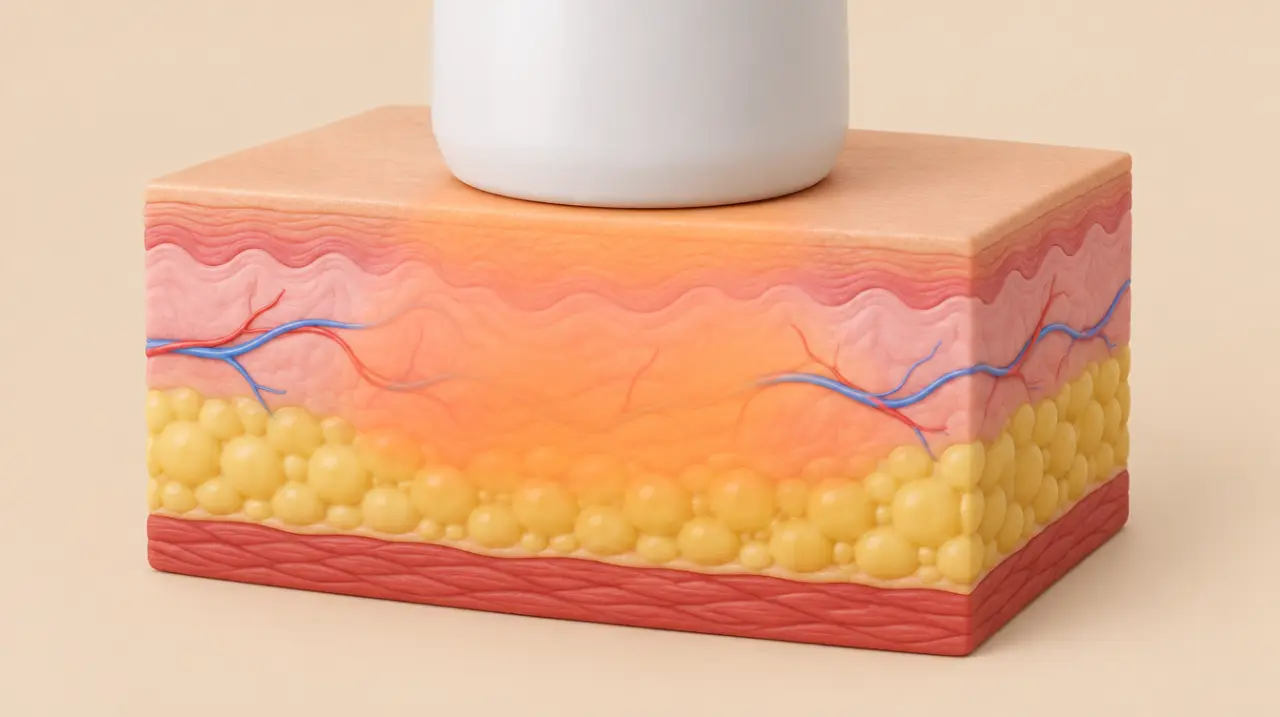
InMode uses radiofrequency (RF) to heat the skin and fat layer. During treatment, you may feel:
- The area under the handpiece gradually getting hot
- A slight zing as the temperature rises
- Your face feeling flushed and looking red for a while afterward
The FORMA handpiece measures skin temperature and adjusts its energy to hold a set temperature. Because it keeps the temperature from going past that limit, the heat rarely spikes suddenly.
(Evidence: bipolar radiofrequency split-face study 2017)
How Is It Different from Thermage?
Both devices use RF heat, so the hot sensation is similar. The difference is how deep the heat goes.
- InMode: Heat goes into relatively shallow layers.
- Thermage: Delivers strong heat into deeper layers all at once.
That's why Dr. Joongsoo Kim rates Thermage pain at 8–9 out of 10, among the most intense of lifting devices, and describes InMode as much more comfortable. Why each device reaches a different depth is explained in RF vs. ultrasound lifting.
How It Feels in Different Areas
- Under the chin and double chin (FX): The thicker fat layer spreads heat widely, and the warmth lingers.
- Cheeks and the sides of the cheekbones: If your skin is thin, you'll feel the heat sooner.
- Edge of the jawline: Closer to the bone, so there's a bit more zing.
How We Keep You Comfortable
- If you're sensitive to heat, numbing cream is applied before treatment.
- If it feels hot during treatment, tell us right away. We adjust how the handpiece moves and how long it stays in one spot.
- If a burning feeling lasted a long time after a previous heat-based treatment, let us know ahead of time.
How It Feels Afterward
Right after treatment, your face will feel warm and look red. Going by DAYONE's guidance, redness may show for about a week, but a face mask covers it. You may also have mild swelling or tenderness under the chin for a few days.
References
- Boisnic S, et al. Split-face histological and biochemical evaluation of tightening efficacy using temperature- and impedance-controlled continuous non-invasive radiofrequency energy. J Cosmet Laser Ther. 2017;19(3):128-132
- Bonjorno AR, et al. Radiofrequency therapy in esthetic dermatology: A review of clinical evidences. J Cosmet Dermatol. 2020;19(2):278-281
This is general medical information. Diagnosis and treatment decisions are made after an in-person consultation, and results and recovery time vary from person to person.