

Results from one InMode session usually last 1–3 months, and 3 sessions a month apart can last 6 months or more. So most people start with 3 sessions a month apart, then time the next one by watching how their skin changes. The plan depends on whether fat or loss of firmness is your bigger concern.
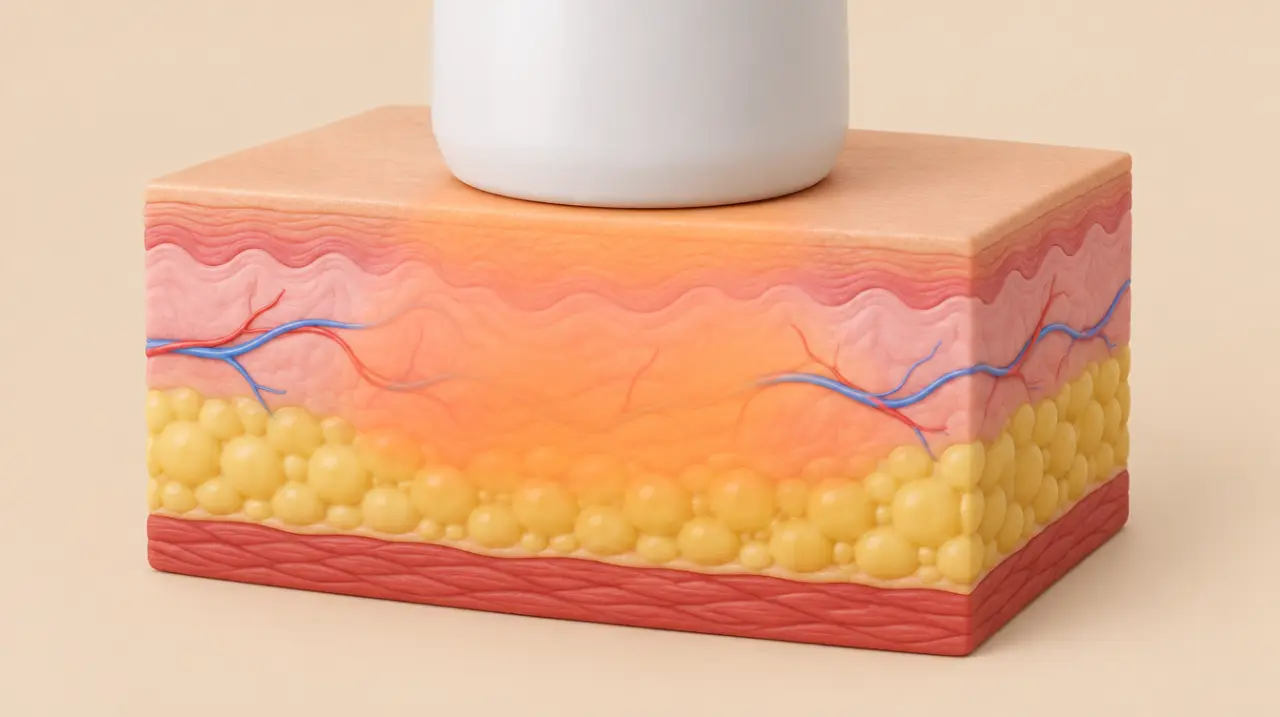
What InMode Does
InMode is a radiofrequency (RF) device with two handpieces that do different jobs.
- FX: Targets the fat layer under the skin to address fullness around the jawline.
- FORMA: Gently heats the dermis to improve skin firmness.
RF heat contracts collagen in the dermis, then stimulates new collagen production. Because this change develops over time, the difference builds with a series rather than a single session.
(Evidence: review of evidence for radiofrequency treatments 2020)
How Long Does One Session Last?
Going by DAYONE's guidance, results from one session last 1–3 months. Many people notice smoother, more refined skin even after one, but it's on the short side for lasting results.
Spacing When You Start
- The standard plan is 3 sessions, a month apart.
- After the 3 sessions, results can last 6 months or more.
- After that, the next session is timed to when the initial change starts to fade.
In a small study (4 patients) in which RF that keeps skin at a constant temperature, like FORMA, was used weekly on one side of the face for 8 weeks, dermal collagen on the treated side increased by 7.9% and collagen production by 34.7%. This supports the idea that changes build up over a series.
(Evidence: bipolar radiofrequency split-face study 2017)
Shortening the interval doesn't make results better in proportion. Skin needs time to recover after the heat and for collagen to settle in.
Do I Need Both FX and FORMA?
Not always. If your jawline looks heavy because of fat, we put more weight on FX; if thinning, loose skin is the concern, we put more weight on FORMA. If both are involved, we use them together, dividing up the order and time.
References
- Boisnic S, et al. Split-face histological and biochemical evaluation of tightening efficacy using temperature- and impedance-controlled continuous non-invasive radiofrequency energy. J Cosmet Laser Ther. 2017;19(3):128-132
- Bonjorno AR, et al. Radiofrequency therapy in esthetic dermatology: A review of clinical evidences. J Cosmet Dermatol. 2020;19(2):278-281
This is general medical information. Diagnosis and treatment decisions are made after an in-person consultation, and results and recovery time vary from person to person.