

Dr. Wally's Column ·


Rejuran is a skin booster made from PN (polynucleotides), a DNA component derived from salmon. Its molecules are far larger than those in the original “salmon injection” (PDRN), so it breaks down slowly in the skin and its effects last longer. It works through two routes, the adenosine A2A receptor and the salvage pathway, to calm inflammation and boost collagen and elastin production, restoring the skin barrier and firmness.
Hi, I'm Dr. Wally (Joongsoo Kim), and I explain how aesthetic treatments actually work.
One question I hear in my office all the time is, “Are Rejuran and salmon injections the same thing?” So starting today, I'm going to walk you through Rejuran step by step.
In this first part, I'll cover how Rejuran came about, how it differs from salmon injections (PDRN), how it works inside the skin, and what that means for the results you can expect.
1. How Rejuran Came About
If you asked me which area of aesthetic medicine has grown the most over the past 10 years, I'd say skin boosters without hesitation. And among skin boosters, the best-selling product by far is Rejuran from Pharma Research.
Salmon injections (PDRN) actually existed before Rejuran. In 1994, the Italian company Mastelli released an injectable under the brand name Placentex inj. It was a PDRN injection, a DNA extract from salmon testes, originally developed to help heal diabetic foot ulcers and other wounds.
Pharma Research in Korea imported and sold this product. Then, to make something stronger and longer-lasting than PDRN, the company cut the DNA into longer chains. The result was Rejuran, built on PN (polynucleotides).
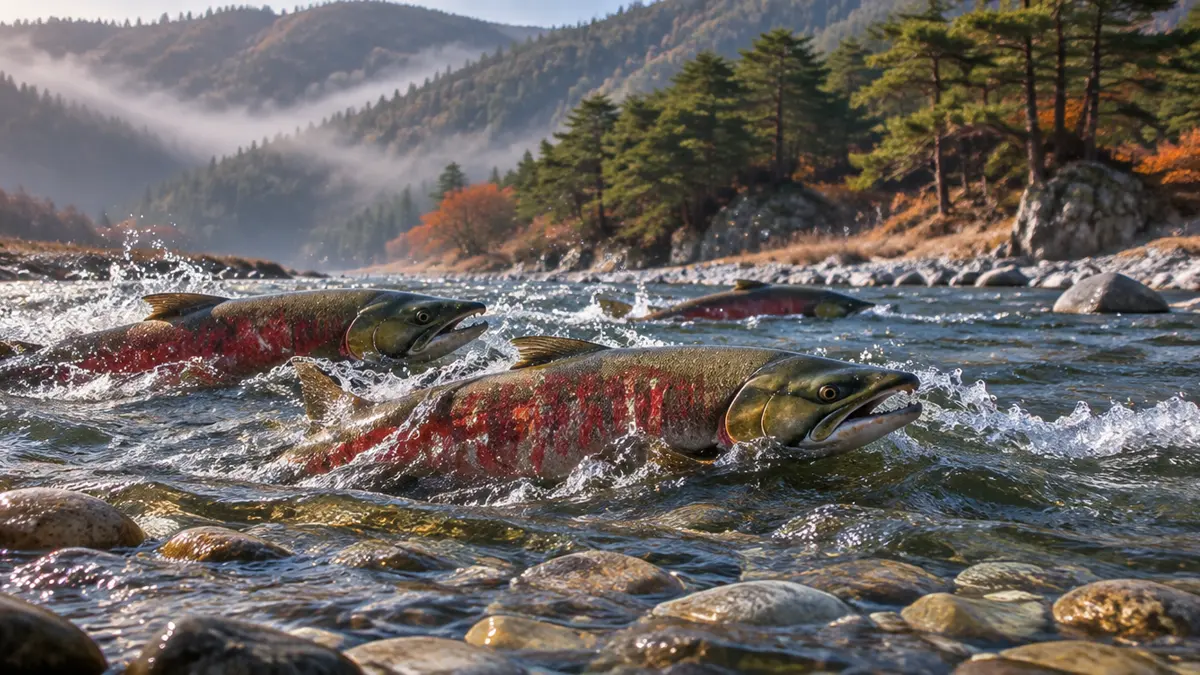
Pharma Research developed its core technology using salmon returning to Gangneung, and launched the product under the name Rejuran in 2014.
It soon became famous as the “salmon injection,” and it was a huge hit with the slogan “Rejuran Healer: not a filler, but a treatment that makes your skin healthy.”
Salmon Injection (PDRN) vs. Rejuran (PN)
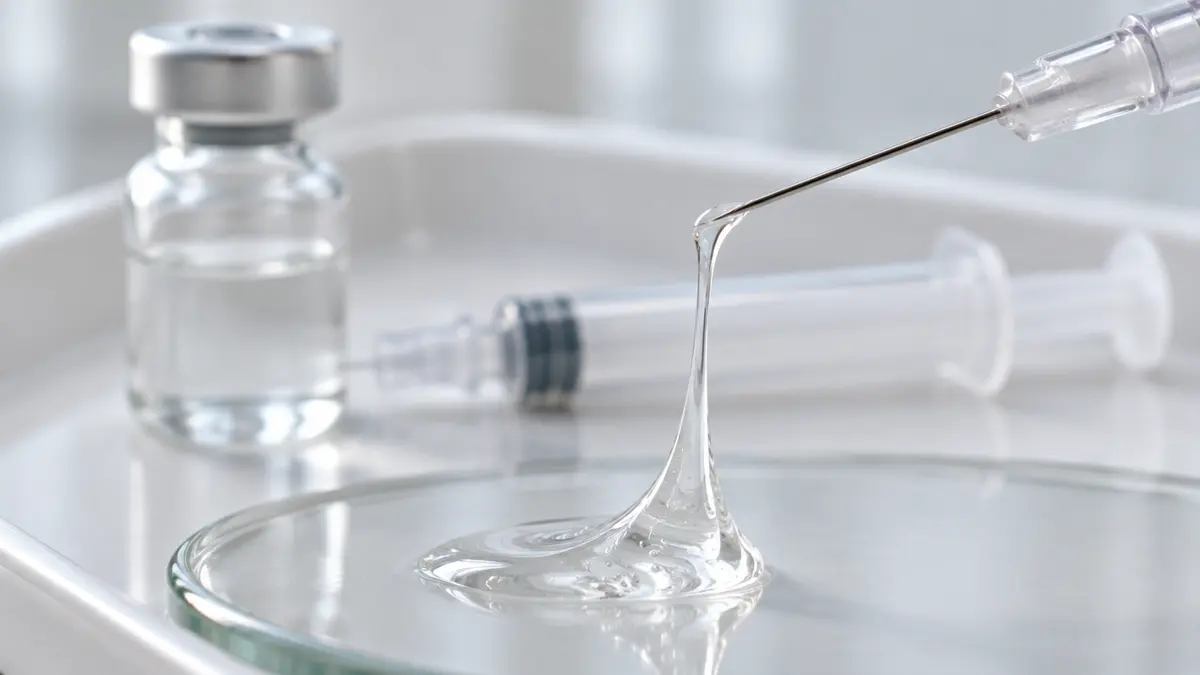
Rejuran was designed with much larger molecules than the original PDRN salmon injection. That means it takes longer to break down and be absorbed in the skin, so its effects last longer.
As a result, it regenerates damaged tissue more powerfully and gives the tissue more structural support than earlier PDRN injections. I've summarized the differences in the table below.
Feature | Standard salmon injection (PDRN) | Rejuran (PN) |
|---|---|---|
Molecular size | Low molecular weight (approx. 350–800 kDa) | High molecular weight (approx. 2,000 kDa) |
Texture and viscosity | Thin liquid | Viscoelastic, close to a gel |
Absorption and breakdown | Fast (short, concentrated action) | Slow (breaks down gradually, long-lasting action) |
Key strengths | Fast calming and anti-inflammatory effect, supports wound healing, less pain | Strongly increases dermal density, long-term skin regeneration, improves firmness and pores |
2. How Rejuran Works
So what exactly does Rejuran do once it's in your skin?
Rejuran works in two main ways. First, it selectively activates the adenosine A2A receptor. Second, it supports DNA synthesis through the salvage pathway. Let's look at each one.
1) Selective Activation of the Adenosine A2A Receptor
① Anti-inflammation: Skin damaged by aging, UV exposure, breakouts or laser treatments stays in a state of chronic low-grade inflammation, and this activates the enzymes that break down collagen (MMPs).
Rejuran stimulates the adenosine A2A receptor, which works like an off switch for this process (it triggers the release of IL-10, an anti-inflammatory cytokine). As the chronic low-grade inflammation clears, sensitive, flushed skin calms down quickly, and the vicious cycle of inflammation breaking down your own collagen is stopped.
② Angiogenesis: For damaged skin to regenerate, it needs a rich supply of fresh arterial blood and nutrients, so a new network of blood vessels is essential.
Rejuran triggers the expression of vascular endothelial growth factor (VEGF), which forms new blood vessels, and it increases fibroblast activity, speeding up tissue regeneration.

2) DNA Synthesis via the Salvage Pathway
For skin to regenerate, keratinocytes and fibroblasts have to divide. That means their genetic material, DNA, has to be copied.
When your body copies DNA, it makes the building blocks through one of two pathways:
De novo pathway: This process builds DNA building blocks from scratch, in many steps, using very basic raw materials such as amino acids, glucose and carbon dioxide. It takes a great deal of energy and a long time, so damaged skin tissue struggles to rely on it.
Salvage pathway: This is the “shortcut.” It recycles nucleosides and base fragments that already exist, adds a phosphate group and turns them straight into DNA. It uses less energy and can produce DNA in a short time.
Rejuran uses the second route, the salvage pathway, so fibroblasts in damaged tissue can keep multiplying quickly.
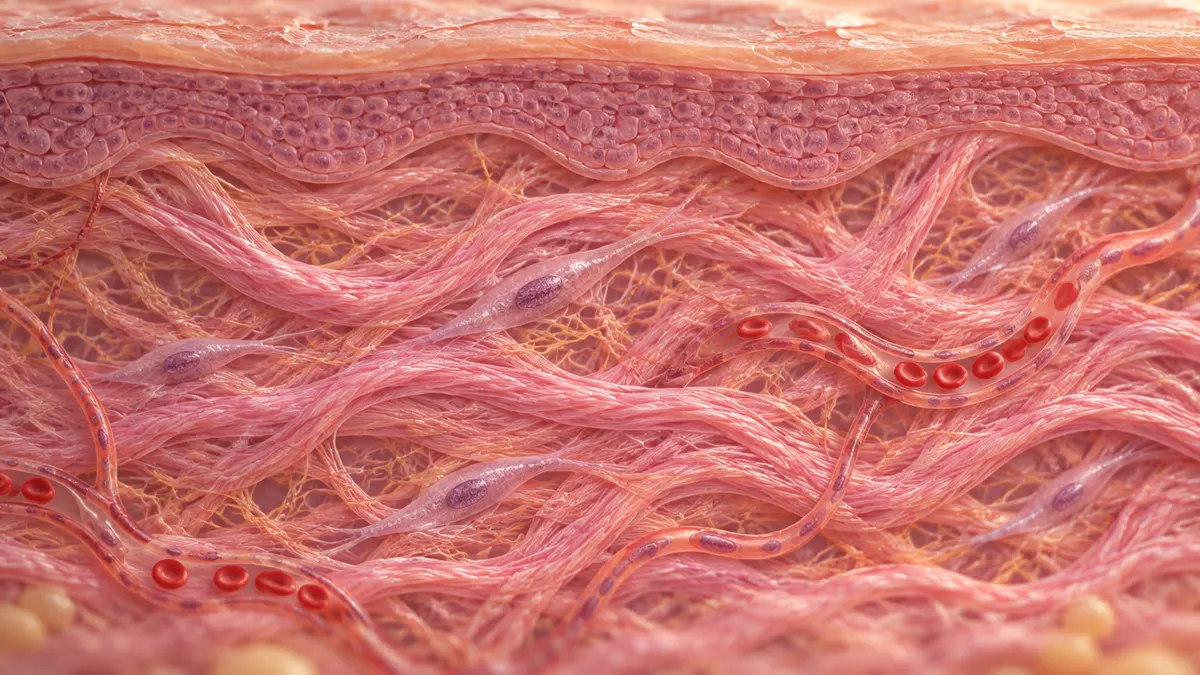
When DNA is copied quickly and the number of fibroblasts goes up, protein production inside the cells increases. This steadily raises production of the extracellular matrix (ECM), including collagen (types I and III), elastin and hyaluronic acid. Through this process, a damaged, sensitized skin barrier improves quickly, the dermis becomes denser and firmness returns.
On top of that, Rejuran restores the keratinocytes and intercellular lipids (ceramides, cholesterol and fatty acids) that break down at the boundary between the epidermis and the dermis. This blocks transepidermal water loss (TEWL), the cause of dehydration deep in the skin, and brings the skin's oil and moisture balance back to normal. It also eases dehydrated oily skin, where dry skin overcompensates by producing too much oil.
The Two Pathways at a Glance
A construction site makes a handy analogy for how the two work.
Feature | Adenosine A2A receptor stimulation | Salvage pathway |
|---|---|---|
Analogy | Preparing the site and opening supply routes | Delivering standard parts ready to assemble on site |
Core action | Suppresses inflammation + forms new capillaries (oxygen and nutrient supply) | ATP-sparing DNA resynthesis and cell proliferation |
End result | Creates a healthy environment where fibroblasts can do their work | More fibroblasts, directly producing collagen and elastin |
3. Rejuran's Benefits
To sum up everything above in terms of results, Rejuran offers five main benefits:
Its high-molecular-weight, salmon-derived polynucleotides (PN) strengthen the dermis's own regenerative capacity, fundamentally restoring a thin, damaged skin barrier.
It normalizes the skin's oil and moisture balance and reduces excess oil, resolving dehydration deep in the skin and giving you a clear glow from within.
It activates fibroblasts to boost collagen and elastin production, softening fine lines around the eyes and mouth and increasing overall dermal density and firmness.
As the elastic fibers around the pores regenerate and oil production is regulated, enlarged pores shrink and rough skin texture becomes smoother.
Through powerful anti-inflammatory action and improved microcirculation via adenosine A2A receptor stimulation, it calms sensitive skin and eases chronic redness.

Frequently Asked Questions
Is Rejuran the same as a salmon injection?
Both are DNA components derived from salmon, but they're not the same injection. The original salmon injection is low-molecular-weight PDRN, while Rejuran is high-molecular-weight PN made from longer DNA chains. That's why Rejuran breaks down more slowly in the skin and its effects last longer.
How does Rejuran improve your skin?
It stimulates the adenosine A2A receptor to calm chronic low-grade inflammation and form new blood vessels, and it uses the salvage pathway to help fibroblasts multiply quickly, increasing collagen and elastin production.
What skin concerns is Rejuran good for?
Typical concerns include a thin, damaged skin barrier, deep dehydration and dehydrated oily skin, fine lines around the eyes and mouth and loss of firmness, enlarged pores and rough texture, and sensitive skin with chronic redness. Whether it's right for you is something we decide at your consultation, once we've examined your skin in person.
I'll continue the Rejuran story in the next part. I hope this has been helpful.