

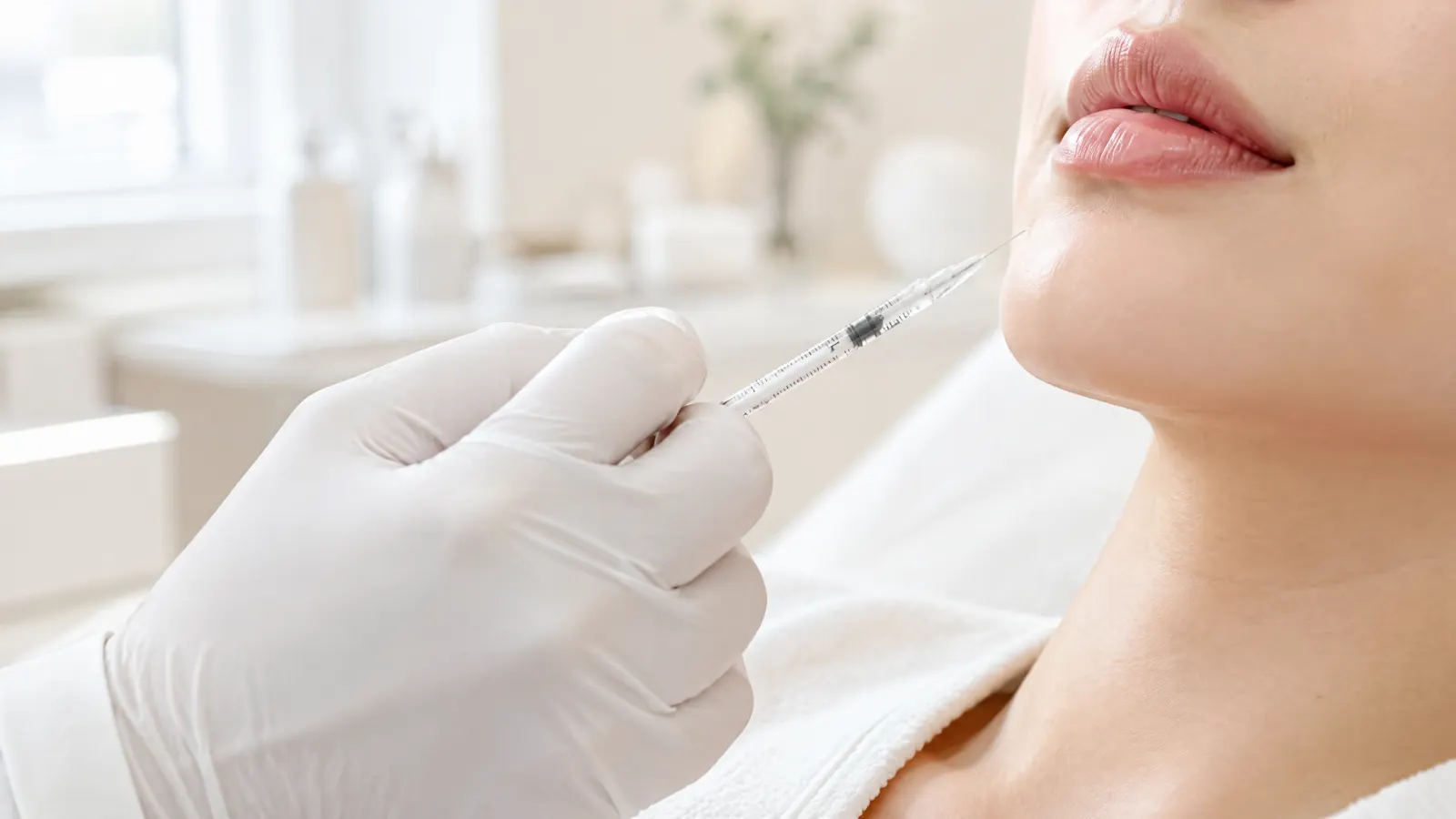
Hyaluronic acid lip filler usually lasts about 6 months to a year. In a study comparing a lip filler with a general-purpose hyaluronic acid filler, the lip filler lasted up to 12 months. Still, lips move every time you talk and eat, so how long it seems to last differs from person to person.
How Long It Lasts in Studies
One randomized study assigned 280 people to either a lip filler or a general-purpose hyaluronic acid filler and followed them for 12 months. With the lip filler, lip fullness, fine lines around the mouth and the corners of the mouth all improved, and results lasted up to 12 months. Retreatment showed similar results and safety to the first treatment.
(Evidence: 12-month randomized lip filler study 2015)
In the same study, the two fillers differed in how much swelling they caused right after treatment. In other words, which filler is used in the lips affects both results and recovery.
What Affects How Long It Lasts
- Type of filler: Lips need to move softly, so we use a filler made for the lips.
- Amount injected: More doesn't mean it lasts longer. Too much can make the shape look unnatural.
- Lip movement: If you talk a lot or use your mouth a lot, it may seem to wear off sooner.
- First time or not: How long it seems to last can differ between your first treatment and later ones.
When to Top Up
It's best not to add more as soon as it looks a little less full. Adding small amounts every 2–3 months stacks filler before it has a chance to break down, and at some point your lips can look puffy or obviously done.
Whether to top up is based on how far the result has faded from the shape you originally wanted. Taking photos at the same angle when you first have it done makes this easier to judge.
Why the Choice of Filler Matters More for Lips
When Dr. Joongsoo Kim talks about lip filler, he emphasizes the choice of filler first. Lips are made of delicate mucosa, so a high-grade filler is the better choice. With just any filler, things may look fine at first, but it's common to feel catching or clumping a few months later, and a foreign-body feeling in the lips is far more bothersome than elsewhere. Hyaluronic acid filler can be dissolved, but Dr. Kim's view is that it's better to choose a good filler from the start.
Many people worry lip filler will leave them with overfilled "sausage lips." Today, filler is placed in very small amounts based on lip shape and proportions, and a blunt-tip cannula is used instead of a needle to reduce bruising and swelling.
How Lips Change with Age
Lip filler isn't just about volume. With age, lips go through four changes together:
- Lips lose volume and become thinner.
- The edges of the Cupid's bow at the center of the upper lip become rounded and less defined.
- The outline at the edge of the lips fades.
- The corners of the mouth turn down.
So from your 40s on, the goal is the lips you had 5–10 years ago: bringing back a little life to thinner lips and softening fine lines slightly. If the corners of your mouth turn down, we'll also discuss relaxing the muscle that pulls them down (the depressor anguli oris) with Botox, or adding a little filler at the corners.
References
- Raspaldo H, et al. Lip and Perioral Enhancement: A 12-Month Prospective, Randomized, Controlled Study. J Drugs Dermatol. 2015;14(12):1444-1452
- Czumbel LM, et al. Hyaluronic Acid Is an Effective Dermal Filler for Lip Augmentation: A Meta-Analysis. Front Surg. 2021;8:681028
This is general medical information. Diagnosis and treatment decisions are made after an in-person consultation, and results and recovery time vary from person to person.