

Pigmentation & tone / DAYONE
Treats pigmentation and uneven tone based on the type of melasma or dark spots.
When melasma and dark spots appear together.
View treatment summary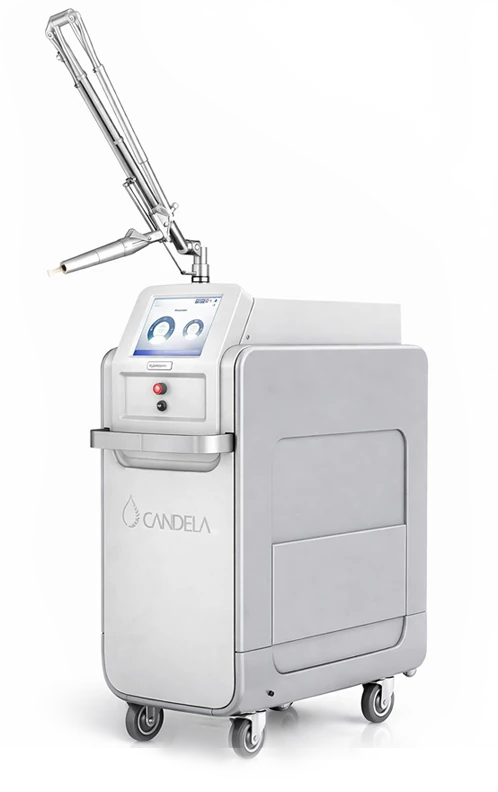
(01)AT A GLANCE
The treatment's role
Pico toning uses short picosecond laser pulses to break pigment into small particles. DAYONE uses PicoWay and selects the wavelength and treatment method according to the type of lesion, such as melasma or dark spots.
Suitability, methods, and expected changes vary by person.(02)YOUR CONCERN
From the small changes you notice,
a consultation begins.
- 01
When melasma and dark spots appear together
- 02
When localized pigment and overall tone concern you
- 03
When marks remain after previous treatment
DIAGNOSIS BEFORE LIGHT
Whether treatment is needed is decided after consultation.
(03)UNDERSTANDING
Not all dark-looking skin has the same pigment cause. Distribution, depth, and responses to previous treatment guide the approach.
Pigment distribution
We first assess where and when changes began and their distribution.
We check where and when changes began.

Causes of redness
We distinguish the causes of pigment and redness instead of treating them as one problem.
The lesion type guides the method and coverage.
Previous treatment response
We review previous treatments and reactions before considering the next plan.
We adjust the next plan after reviewing skin reactions.
(04)THE DAYONE APPROACH
Areas, coverage, and combinations with other treatments
are reviewed with your doctor for your current condition.
- 01OBSERVE
Pigment type and distribution
We check where and when changes began.
- 02DESIGN
Response to previous laser treatment
The lesion type guides the method and coverage.
- 03REVIEW
Wavelength and treatment area
We adjust the next plan after reviewing skin reactions.
(05)BEFORE & AFTER YOUR VISIT
Recovery planning
Recovery varies with pigment type and irradiation method. Color changes or flaking may occur; sun protection, hydration, and avoiding irritation are important. Follow your individual guidance first.
Tell us before your visit
Tell us about past treatments, medications, and health status. Also mention important plans and available visit dates.
Aftercare and how to contact usFrom consultation to follow-up
01 Consultation and assessment
We listen to your goals and previous experiences, then assess your current condition.
02 Planning and treatment
We explain the scope, method and expected reactions, then proceed according to the plan.
03 Follow-up
We review recovery and changes to consider whether further care is needed.
(06)BEFORE YOU DECIDE
Specific explanations about your condition and plan
continue in consultation with your doctor.
01Are melasma and spots treated at the same intensity?+
Similar-looking lesions may differ in type and depth. Diagnosis guides the method and follow-up interval instead of one intensity for everything.
02How much pain or discomfort should I expect?+
Pain and discomfort vary with method, area, and intensity. Check pain-control options and expected discomfort beforehand, and share previous sensitivity reactions.
03How should I plan recovery and daily activities?+
Recovery varies with pigment type and irradiation method. Color changes or flaking may occur; sun protection, hydration, and avoiding irritation are important. Follow your individual guidance first.
04How long do results last?+
Duration varies with method, area, skin condition and treatment history. This page alone cannot predict a fixed duration; your doctor will explain goals and follow-up timing at consultation.
05How are session count and intervals decided?+
The same count or interval is not set for everyone at the outset. Your doctor explains your goals and plan at the first visit, and the next session is timed after reviewing recovery and progress.
06Can I combine this with other treatments?+
We prioritize pigment, vascular redness, and texture separately. Instead of using every device on the same day, we plan the order around skin response and recovery.