

Pores & acne scars / DAYONE
A CO₂ laser used for scar resurfacing and lesion removal.
When depressed acne scars concern you.
View treatment summary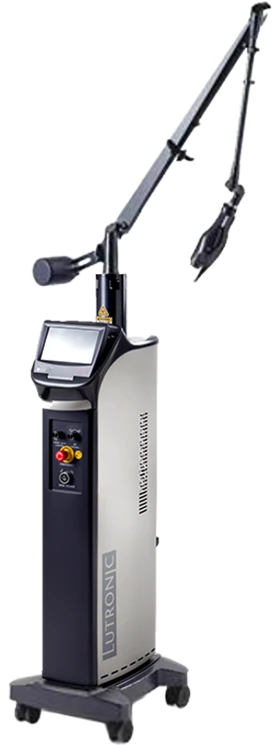
(01)AT A GLANCE
The treatment's role
CO₂ laser is used for fractional skin resurfacing and lesion removal. The approach varies with scar shape and lesion characteristics.
Suitability, methods, and expected changes vary by person.(02)YOUR CONCERN
From the small changes you notice,
a consultation begins.
- 01
When depressed acne scars concern you
- 02
When unevenness and enlarged pores coexist
- 03
When you want to distinguish lesion removal from texture care
TEXTURE HAS DEPTH
Whether treatment is needed is decided after consultation.
(03)UNDERSTANDING
Scars and lesions such as moles or warts have different treatment goals. Diagnosis, technique, and recovery time need separate planning.
Surface roughness
We talk about your concerns with surface texture.
We assess surface texture and depressed marks separately.
Pore condition
We assess pores and skin thickness to consider coverage.
Goals and skin thickness determine coverage and intensity.
Scar shape
We tell depressed scars apart from active acne to set the order of treatment.
We include recovery time when considering further treatment.
(04)THE DAYONE APPROACH
Areas, coverage, and combinations with other treatments
are reviewed with your doctor for your current condition.
- 01OBSERVE
Distinguishing scars from lesions
We assess surface texture and depressed marks separately.
- 02DESIGN
Depth and coverage
Goals and skin thickness determine coverage and intensity.
- 03REVIEW
Recovery and aftercare schedule
We include recovery time when considering further treatment.
(05)BEFORE & AFTER YOUR VISIT
Recovery planning
Redness, warmth, flaking, and recovery vary with intensity and area. Follow washing, makeup, and moisturizing guidance for the treatment received, and do not pick flakes or scabs.
Tell us before your visit
Tell us about past treatments, medications, and health status. Also mention important plans and available visit dates.
Aftercare and how to contact usFrom consultation to follow-up
01 Consultation and assessment
We listen to your goals and previous experiences, then assess your current condition.
02 Planning and treatment
We explain the scope, method and expected reactions, then proceed according to the plan.
03 Follow-up
We review recovery and changes to consider whether further care is needed.
(06)BEFORE YOU DECIDE
Specific explanations about your condition and plan
continue in consultation with your doctor.
01Are scar treatment and mole removal the same process?+
Even with the same device, goals, irradiation, and aftercare can differ. Each requires its own lesion diagnosis or scar assessment.
02How much pain or discomfort should I expect?+
Pain and discomfort vary with method, area, and intensity. Check pain-control options and expected discomfort beforehand, and share previous sensitivity reactions.
03How should I plan recovery and daily activities?+
Redness, warmth, flaking, and recovery vary with intensity and area. Follow washing, makeup, and moisturizing guidance for the treatment received, and do not pick flakes or scabs.
04How long do results last?+
Duration varies with method, area, skin condition and treatment history. This page alone cannot predict a fixed duration; your doctor will explain goals and follow-up timing at consultation.
05How are session count and intervals decided?+
The same count or interval is not set for everyone at the outset. Your doctor explains your goals and plan at the first visit, and the next session is timed after reviewing recovery and progress.
06Can I combine this with other treatments?+
We first distinguish active acne from existing scars. Scar shape and skin condition guide the roles and order of lasers, RF, or skin boosters.