

With Tune Face, most people feel their skin tighten anywhere from right after treatment to the next day, which is collagen contracting right away from the heat. The lifting that comes from new collagen starts to show from about 4 weeks, according to our aftercare guide, and keeps building over the following months; DAYONE generally recommends it as a treatment that works well kept up every 3–4 months. How long results last varies with skin thickness and how much sagging you have.
What Tune Face Does
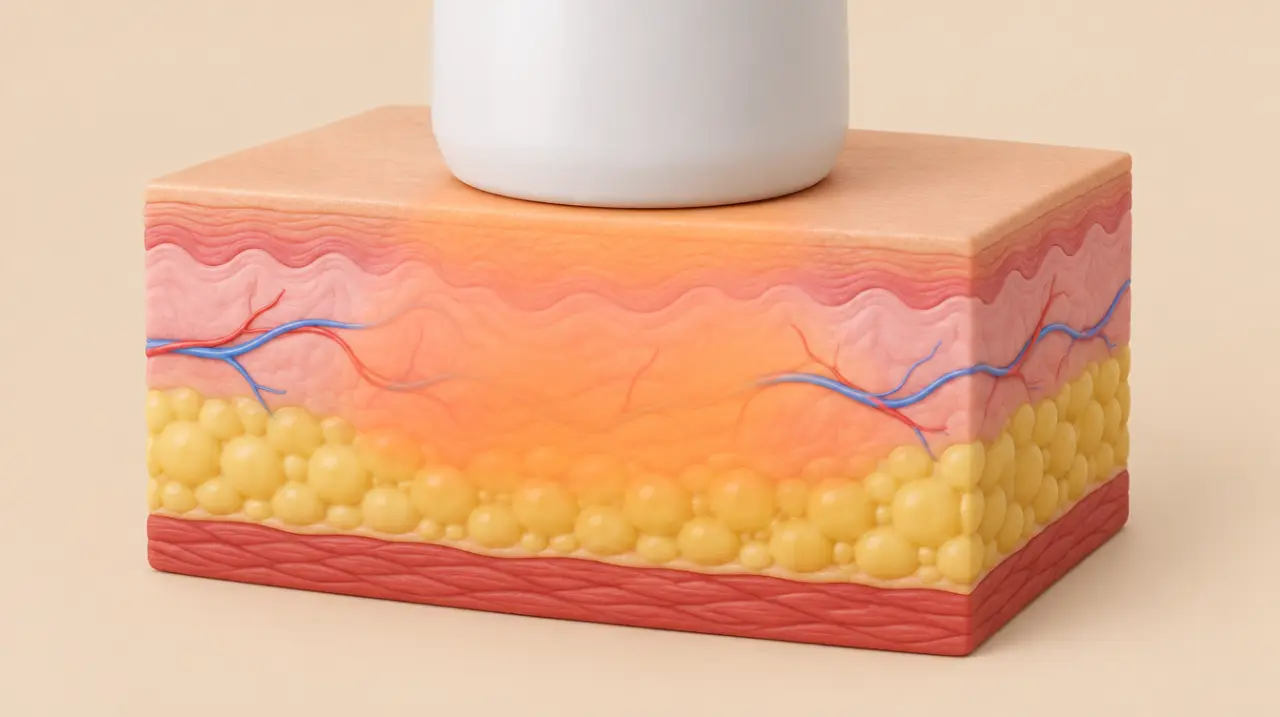
Tune Face is a device that uses radiofrequency (RF) energy to heat the skin. It gently draws the skin up with suction while delivering heat, so the heat reaches the intended layer evenly.
Rather than delivering strong heat all at once like Thermage, it delivers gentle heat steadily. So it has less power to pull deep layers firmly, but it's good at tightening the surface skin and smoothing facial contours.
How Results Develop
- Day of treatment: Collagen contracts slightly from the heat, and skin feels firmer. Suction may leave red marks.
- Next day: Slight swelling can make the skin look plumper. That's swelling, not the result, so try to tell the two apart. Many people also say the eye area and forehead feel lighter.
- From about 4 weeks, over several months: As new collagen forms, lifting starts to show and keeps improving.
Studies of another RF device (Thermage), not Tune Face, have also observed immediate tightening from the heat, followed by additional tightening over several months, much like a healing process.
(Evidence: radiofrequency multicenter study 2003, review of evidence for radiofrequency treatments 2020)
How Long Results Last
There still aren't many long-term studies of Tune Face on its own. So DAYONE doesn't promise a fixed duration; we time your next session by how your skin responds.
In practice, many people keep it up every 3–4 months. For example, they get Ulthera or Thermage once every 6 months to a year and use Tune Face for maintenance in between.
Who It Suits
- People who don't handle painful treatments well
- People without much cheek fat whose skin has thinned and loosened
- People whose forehead has dropped, making their eyelids look heavy
References
- Fitzpatrick R, et al. Multicenter study of noninvasive radiofrequency for periorbital tissue tightening. Lasers Surg Med. 2003;33(4):232-242
- Bonjorno AR, et al. Radiofrequency therapy in esthetic dermatology: A review of clinical evidences. J Cosmet Dermatol. 2020;19(2):278-281
This is general medical information. Diagnosis and treatment decisions are made after an in-person consultation, and results and recovery time vary from person to person.