

Toning helps with blotchiness and dull skin tone, but sharply defined spots like seborrheic keratoses and lentigines (age spots) needs a different laser. How aftercare and the right interval affect your results, plus four principles to remember when choosing between lifting, filler, Fraxel and toning.

This article is adapted from an interview on Face Design Lab, DAYONE Clinic’s YouTube channel.
Hello from DAYONE Clinic. Toning evens out skin tone, but sharply defined spots like seborrheic keratoses and lentigines (age spots) often needs a pigment laser such as a ruby or Q-switched laser. In the previous two articles, we covered lifting, filler and pore treatments. This time, we’ll look at toning, which many people get for a clearer complexion, along with the overall principles to follow when choosing any treatment.
Toning Isn’t a Cure-All
The fourth treatment we’ll talk about is laser toning. It’s the first thing most people think of when they want a more even, brighter skin tone. But to be honest, toning doesn’t solve every concern.
Toning works well for people bothered by blotchiness or a dull tone. With a treatment like pico toning, you can expect an uneven tone to become more even and clearer. Pico toning tends to cause less skin damage than other types of toning, so it’s relatively easy to have.
Beyond that, to fade acne marks or even out the tone across the whole face, an approach that refines your overall skin condition, such as Laser Genesis toning, often helps.
Pigment Toning Can’t Clear
“So what’s the problem? It sounds like the perfect treatment for blemishes.” Some people ask this, and it’s a fair point.

But there’s pigment that toning won’t easily clear. Sharply defined spots like seborrheic keratoses, lentigines and some freckles is hard to improve with regular toning alone. Yet some people keep getting toning, thinking one session will clear their lentigines and freckles.
The pigment may seem to fade for a while and then darken again, and since it was the wrong approach from the start, you end up spending money without a clear change. On top of that, toning usually needs five to ten or more sessions, about a month apart, before results show. Spending that much money and time on a treatment you didn’t need would be truly frustrating.
Lasers for Sharply Defined Pigment
So to remove sharply defined pigment, you often need to add a stronger laser that targets only the pigment or ablates the skin's surface. Ruby lasers, Q-switched lasers and CO2 lasers are typical examples.
Why Aftercare Matters

If toning doesn’t seem to work or the results fade quickly, aftercare could be the cause. Right after toning, your skin is much more sensitive than usual. Wearing heavy makeup or not protecting against UV at this point can actually increase pigmentation. So on the day of toning, keep your makeup light and take good care of your skin.
The Problem With Too-Frequent Treatment
Having toning too often isn’t good either. It’s a laser treatment that applies heat and stimulation to the face, so having it without enough of a gap can leave your skin increasingly sensitive and dry.

Just as exercise that’s good for you can backfire if you overdo it every day, your skin needs the right amount of stimulation and enough recovery time to get good results.
Key Principles for Choosing a Treatment
So far we’ve had a fairly realistic talk about treatments. A treatment chosen to fit your situation can be very effective and can lift not only your appearance but also how you feel about yourself.
The problem is choosing a treatment that doesn’t match your skin without getting enough explanation. Then regret often comes before results. So the one thing I wanted to say across these three articles is this.
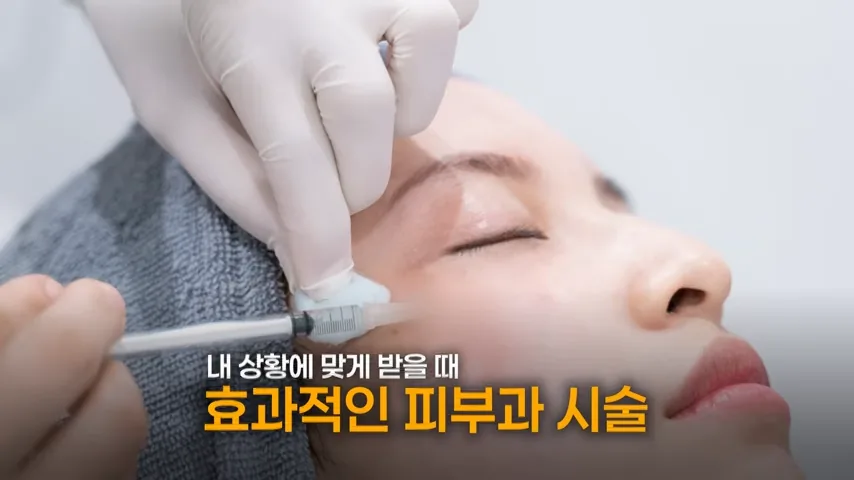
Before deciding on a treatment, ask yourself once more: “Do I really need this treatment right now?”
Four Principles in Summary
Lifting depends on your skin condition, not your age. You don’t have to get it as prevention just because you’re in your 20s, and if your skin is thin, watch out for hollow cheeks.
Don’t top up filler too often; keep to a sensible interval. Six months to a year is typical, and rather than adding a lot at once, look at the balance of the whole face.
Fraxel results depend on aftercare. Be sure to use a repair cream, moisturize and wear sunscreen, and if your skin is delicate, consider Potenza or Secret RF.
Toning doesn’t solve every pigment problem. Sharply defined pigment needs a different laser, and having toning too often can actually make your skin more sensitive.
Final Thoughts

Rather than trying to get a big result all at once, it’s much safer to take it step by step according to your skin condition. I hope these three articles give you a simple guide when choosing treatments. If anything is unclear or you have questions, feel free to ask us at DAYONE Clinic near Gangnam Station. Thank you.
This article is general information about the treatment and does not replace an individual diagnosis or treatment plan. Results and their duration vary from person to person.
Wondering what would suit you?
Whether a treatment suits you, and how to plan it, is best decided with a doctor.