

For sagging lower cheeks and jowls, the key is lifting the tissue with a thread lift, then adding fat reduction, skin boosters and filling the hollow inside the marionette lines as each case calls for. Here’s how we plan treatment combinations around your age and how much you use the muscles around your mouth.
Hello from DAYONE Clinic. In our previous post, we explained that jowls and sagging lower cheeks are caused by three factors working together: sagging, volume loss and fine lines. Today we’ll walk through the specific treatment combinations we use to address each one.
Sagging: A thread lift is the most powerful option
Short of a surgical facelift, a thread lift is the most powerful treatment for lifting sagging skin and fat and holding it in place. For the lower cheeks, the threads are anchored to ligaments near the cheekbones or in front of and below the ears, then pulled upward.
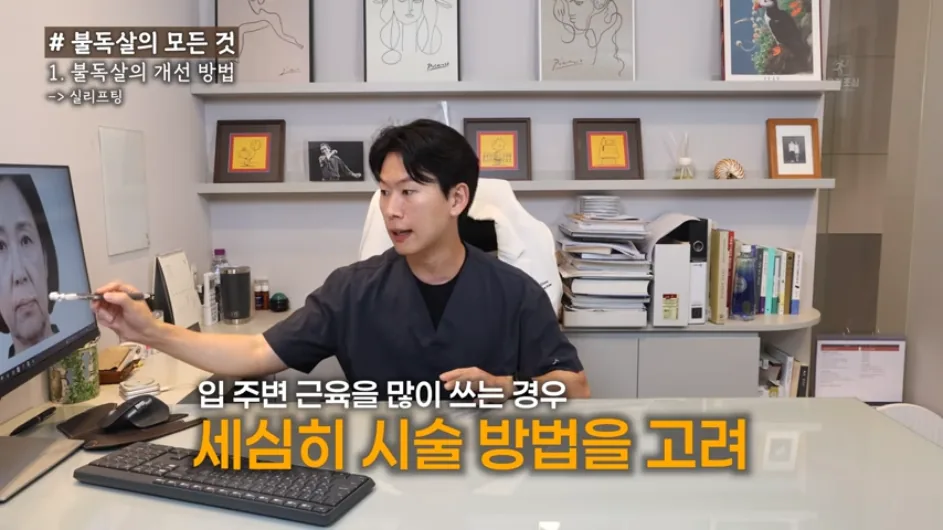
Here’s something important to keep in mind. The muscles around the mouth get a lot of use—every time you talk or eat. So the threads have to be positioned carefully so they don’t interfere with those muscles; otherwise, everyday activities can become uncomfortable. For people whose work demands a lot of mouth movement, such as singers or those who give frequent talks, we check for this ahead of time and choose the thread type and placement even more carefully.
Age also shapes the treatment approach.
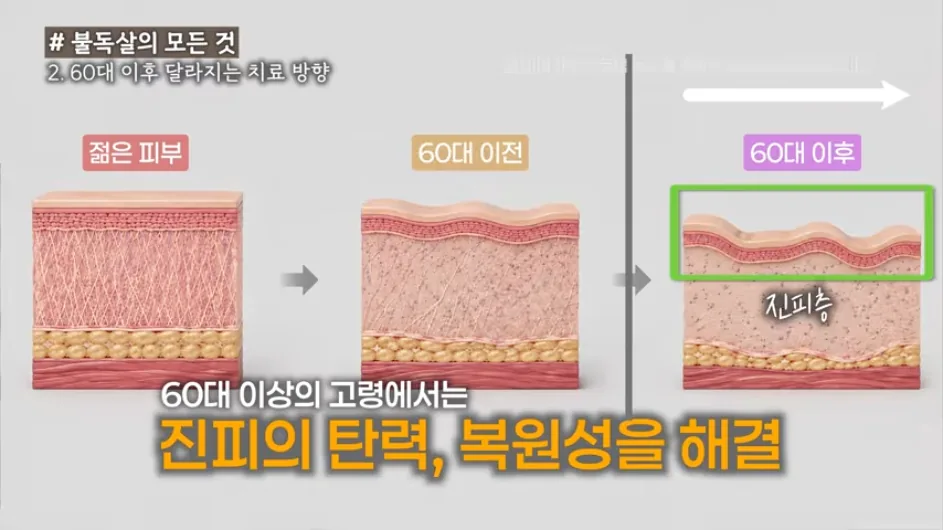
Studies have found that before your 60s, addressing fat volume first is important, while from your 60s on, restoring the dermis’s elasticity and resilience matters more. So for patients in their 50s and 60s, we aim to address both together.
When there’s excess volume: Adding fat reduction
Sometimes a thread lift alone isn’t enough.
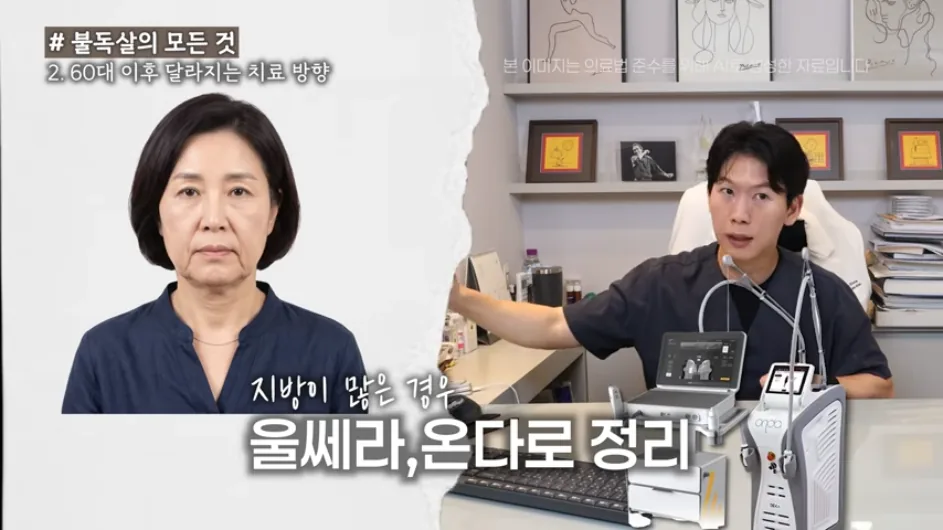
If the lower cheeks carry a lot of fat, you’ll get a better result by also reducing that volume first—with Ultherapy or fat-dissolving injections, for example. Heavy tissue is hard for the threads to hold up.
Improving elasticity: Pairing with a skin booster
Nobody wants thread lift results to fade too quickly. That’s why we recommend pairing it with a skin booster such as Re2O.
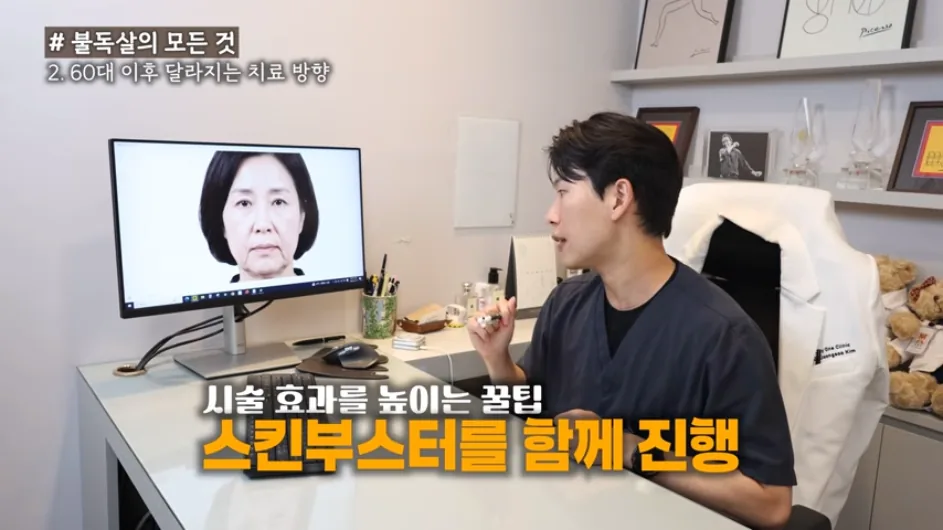
Injecting a skin booster into the dermis and around the ligaments strengthens the skin’s own resilience and elasticity. That helps with sagging, and it works synergistically with the thread lift to make the results last longer.
Hollows: Filling the area inside the marionette lines
When treating jowls, you always have to look at the hollowing just inside the marionette lines, too.
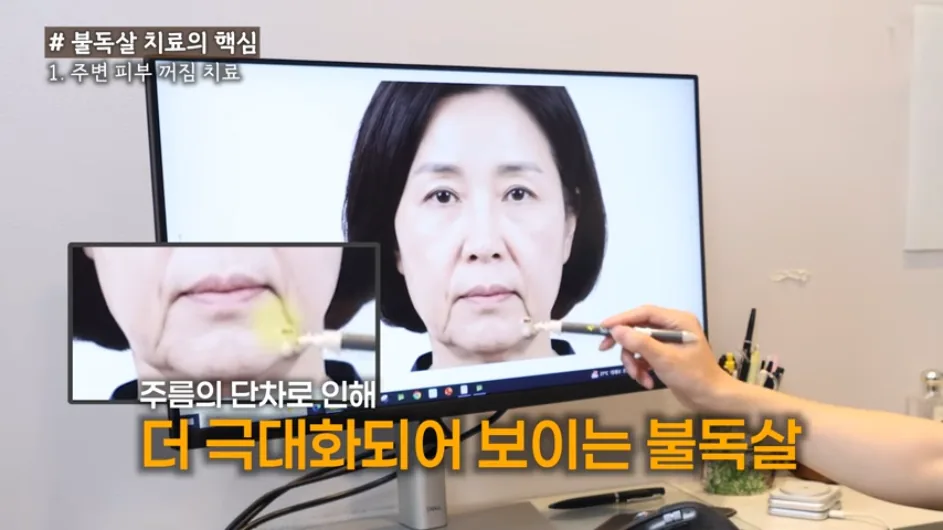
Part of the problem is that jowls sag downward, but as the area inside the marionette lines hollows out, the drop-off between the two gets sharper and the jowls look even more prominent. Filling that hollow with filler or a collagen booster to smooth out the uneven contour is one of the keys to improving jowls.
In summary
To recap:
Sagging areas → lift with a thread lift
Excess volume → reduce with Ultherapy or fat-dissolving injections
Skin elasticity → reinforce with a skin booster such as Re2O
Hollow areas → add filler to smooth the surface
Combining three or four of these, depending on each person’s situation, is the core approach to sagging lower cheeks. If you have any questions, feel free to contact DAYONE Clinic at Gangnam Station anytime.
This post is based on an interview from DAYONE Clinic’s YouTube channel, Face Design Lab.
This article is general information about the treatment and does not replace an individual diagnosis or treatment plan. Results and their duration vary from person to person.
Wondering what would suit you?
Whether a treatment suits you, and how to plan it, is best decided with a doctor.