

Why the face sags, why thread lift plans differ from person to person, what to check six months after treatment, and why touch-ups matter. Natural-looking results start with thinking about how your face will look months later—not just right after treatment.
Hi, this is DAYONE Clinic. When people come in to talk about a thread lift, the question we hear most often is, “How long will it last?” At first, most people are focused on how much more defined their facial contours will look. But on reflection, what they really want to know is whether that look will hold up naturally as time goes on.
In many cases, your face a few months after treatment says more about whether the plan was right than your face on the day itself. So when you’re researching a thread lift, it’s worth looking beyond the immediate change and asking what happens in the months that follow.
Why does the face sag over time?

Sagging isn’t just about losing skin elasticity. As collagen and elastin decline, the skin loses strength, the fat pads deeper in the face shift downward, and the supporting tissues that hold the skin in place loosen.
Add changes in bone structure and volume, and you may notice a less defined jawline, deeper lines around the mouth, and a heavier look around the eyes and forehead. These changes don’t stop once you’ve had treatment—they keep progressing. That’s why it’s important to factor in how your face will continue to change over time.
Why can similar sagging call for different approaches?
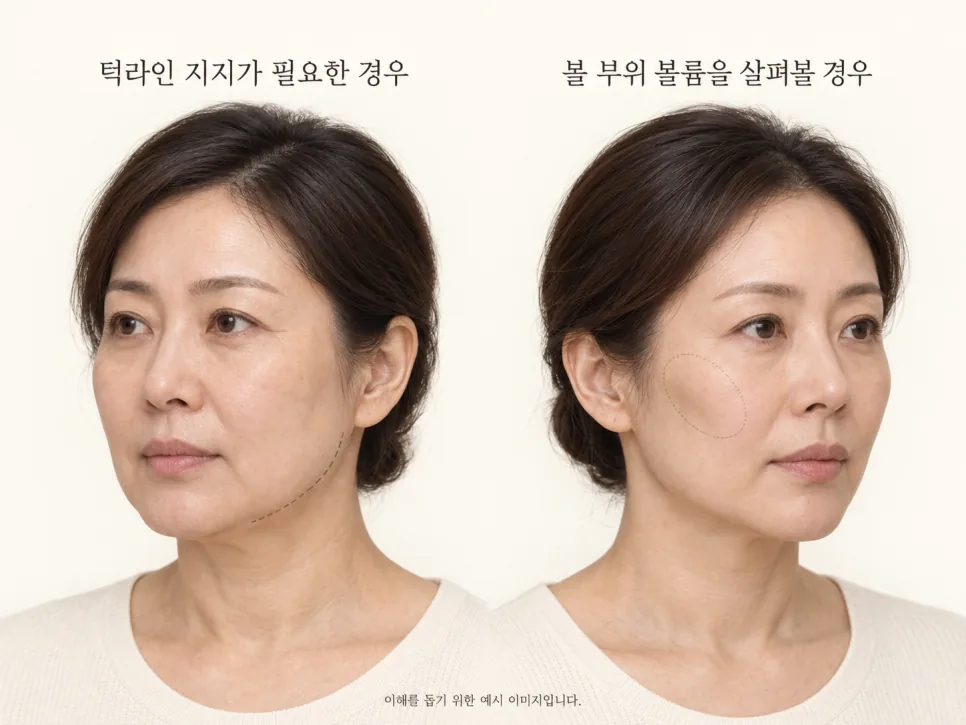
Even when sagging looks similar, the right approach can vary with skin thickness, how far the sagging has progressed, facial structure, and everyday expression habits. One person may need support along the jawline first; for another, shifting volume may be the bigger factor.
That’s why, with a thread lift, the type of thread matters less than which areas are supported—and how much—to suit that particular face. It’s also part of why two people can have the same procedure and see different results six months later.
What do DAYONE Clinic’s doctors look at during a consultation?

At DAYONE Clinic, we don’t start by choosing a procedure. We start by looking at your face as it is now. We assess skin elasticity and thickness, where sagging begins and how pronounced it is, how your face looks at rest versus in motion, and your overall facial balance. We also take time to talk through the areas that bother you most and how much change you’re hoping for.
This matters even more for patients in their 50s, 60s and beyond. Looking younger is less important than a natural, refreshed result that doesn’t change the overall impression your face gives. Finding the balance between the change you want and the change that suits your face is something we work out together.
What do we check after six months?
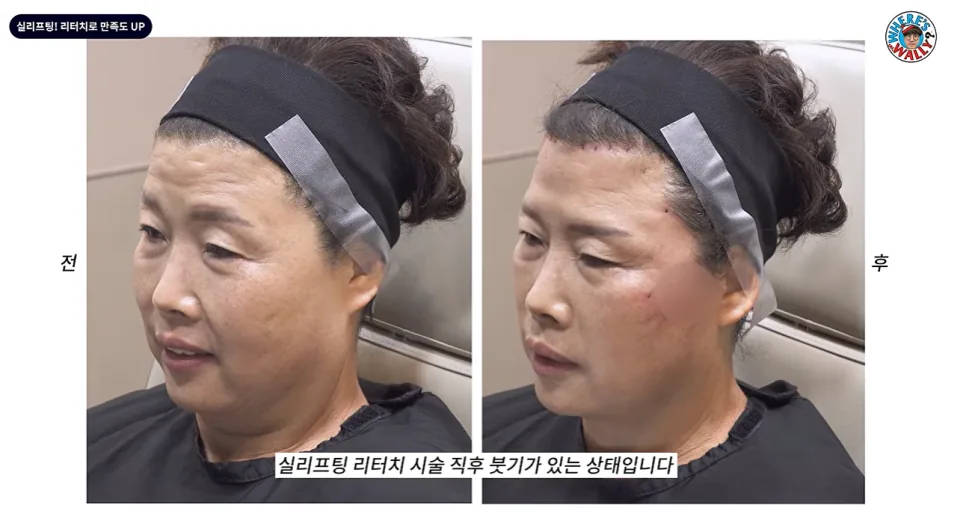
As time passes after a thread lift, your face won’t look the same as it did right after treatment. Once the swelling has gone down and everything has settled, we look at where sagging is starting to reappear, whether any areas still need support, and how balanced the two sides of the face are.
You can see this process in a video that follows a 65-year-old patient six months after a thread lift. If you’re curious how results look over time, you can find it on DAYONE Clinic’s official YouTube channel, Dr. Wally.
Why are touch-ups needed?
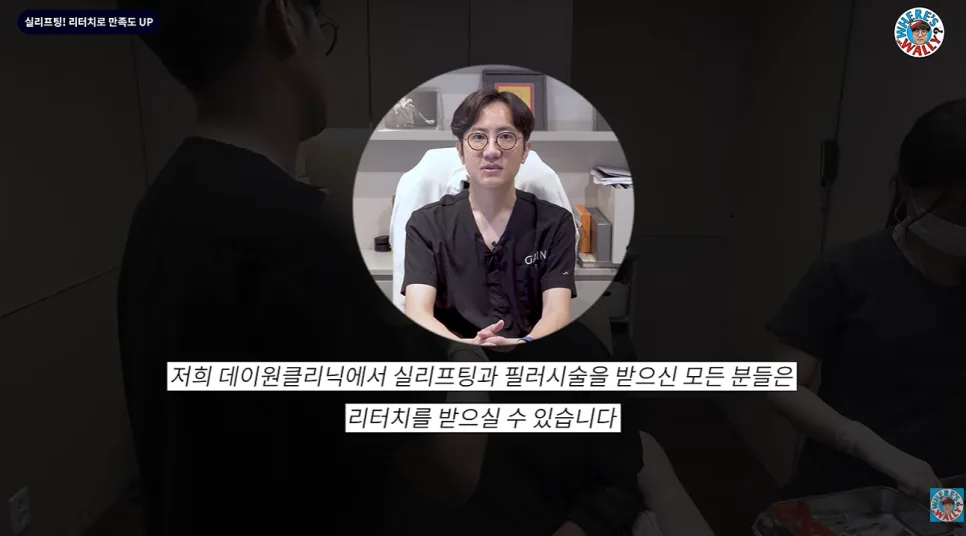
A thread lift isn’t a one-and-done procedure. Satisfaction can be higher when treatment continues with follow-up—checking how things have changed and refining where needed. Over time, some areas may start to feel like they need a little more, and differences in balance that weren’t visible at first may become noticeable. Addressing those areas with a touch-up can help keep results looking natural.
At DAYONE Clinic, touch-ups are part of care for patients who’ve had a thread lift or filler, and we look at the whole process as one continuum—from consultation and treatment to checking how things change afterward and ongoing maintenance.
The takeaway
With a thread lift, knowing what your face actually needs comes before how tightly the threads pull. Results can look more natural when the plan considers not just how you look right after treatment, but six months later and beyond.
At DAYONE Clinic, our approach is guided by one idea: “Still your own face—just gentler and younger-looking.” If you’re considering a thread lift, we recommend starting with a consultation to understand your face as it is now and what it needs, before deciding on any specific procedure.







This article is general information about the treatment and does not replace an individual diagnosis or treatment plan. Results and their duration vary from person to person.
Wondering what would suit you?
Whether a treatment suits you, and how to plan it, is best decided with a doctor.