

A thread lift usually lasts about a year, or 18 months to 2 years with the right design by an experienced doctor. Plus how it compares to Ultherapy and a self-check.
This article is based on an interview from Face Design Lab, DAYONE Clinic's YouTube channel.
In the last two posts, we covered what causes jowls and how to care for them at home, along with fillers and Sculptra. This time, we're looking at energy-based lifting and thread lifts, plus a simple self-check you can do at home.
Treatment 3: Energy-Based Lifting
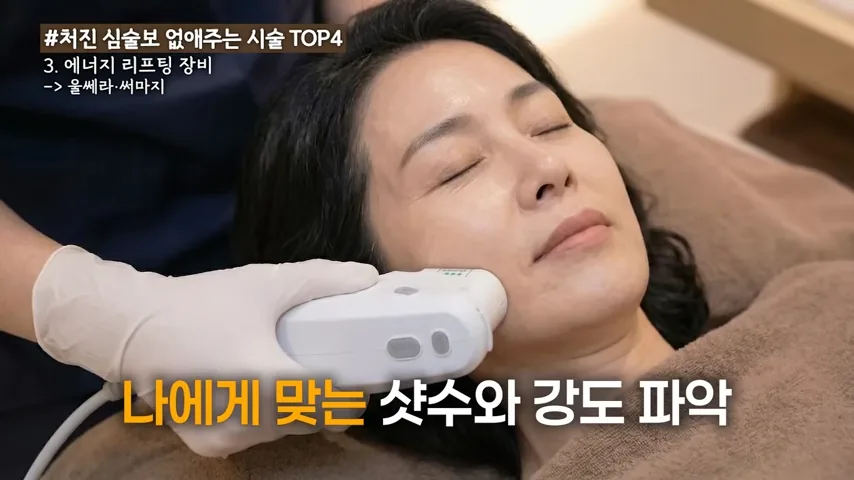
The third option is energy-based lifting devices such as Ultherapy and Thermage. The idea behind them is simple: they use heat to make loose tissue contract.
There's something that genuinely worries me, though. Now and then a patient says, "Just turn it all the way up and give me as many lines as possible." But with either Ultherapy or Thermage, more energy and more lines or pulses don't mean better results. What matters is knowing the energy level and the number of lines or pulses you actually need.
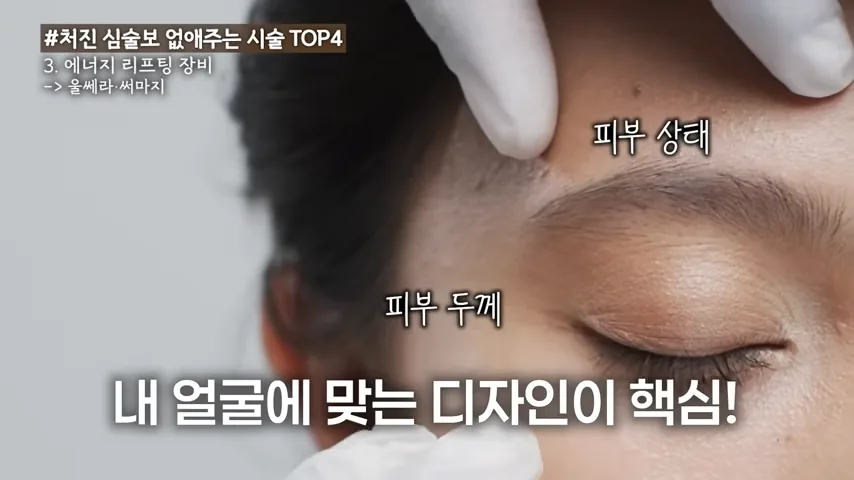
If you took four or five pills when one was enough, your body would suffer for it. Treatments are the same. Ultherapy, for example, is so powerful that using it on hollow areas can reduce fat as well, leaving the skin looking more gaunt and saggy. That's why you should work out a design with an experienced doctor that suits your skin condition, skin thickness and face shape.
When Do You Need a Thread Lift?
On the other hand, if your skin is sagging a lot, even strong Ultherapy sometimes does nothing. For these patients, a thread lift can be far more effective.

A thread lift uses medical-grade dissolvable threads to physically lift sagging skin. The surface of the threads has tiny barbs, and each one grips and supports the skin, so the whole area is pulled upward after the treatment. Like filler, you see a dramatic difference as soon as it's done.
How Long Do Thread Lift Results Last?
"A thread lift sounds like the most effective option, but how long does it last?" Patients ask us this. The result is most dramatic right after treatment, and it usually settles slightly after about two weeks. From then on, collagen gradually regenerates around the threads, and the threads act as a support structure that keeps pulling the skin upward.
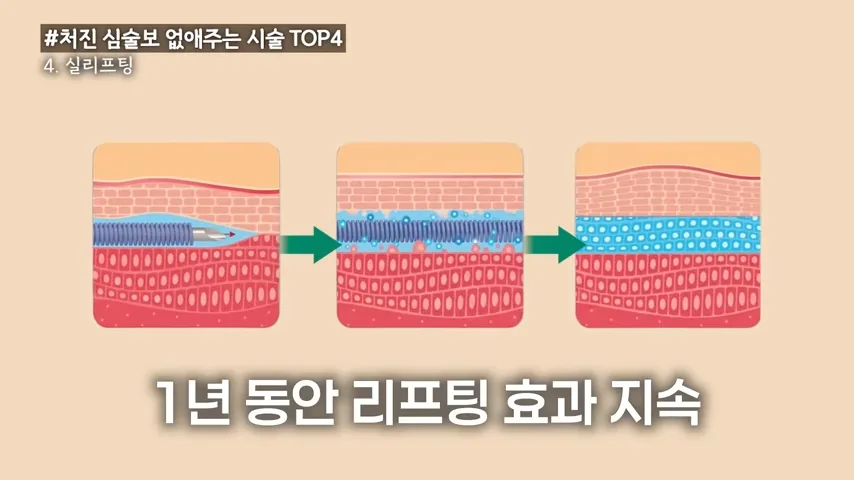
Because that support stays in place while the threads dissolve, a natural lift usually lasts about a year. With the right design from an experienced doctor, it can last 18 months to two years. Without proper design, though, a thread lift can leave you with a face you didn't want, so it's always best to have a consultation and get the right design before treatment.

A Quick Self-Check at Home
"Doctor, of the fillers, Sculptra, energy devices and thread lifts you mentioned today, is there a way to tell which one I need?" An accurate answer requires an in-person exam, but there's a simple self-check you can do in front of a mirror.
Use your index finger to gently push up on the area just in front of your ear, behind the cheekbone. If your jowls look noticeably better when you do this, a treatment that rebuilds volume support, such as filler or Sculptra, is likely to work well.

If lifting it doesn't change much and the skin itself feels very loose, the sagging has probably progressed quite far, and a treatment focused on tightening and lifting, such as an energy device or a thread lift, may be the better choice.
Why Combination Treatments Work Better
In consultations, we find that combining several treatments works far more often than relying on just one. It's like supplements: taking the few you actually need works better than taking just one.

So rather than deciding to fix everything with a single treatment, it's better to take a combined approach through a consultation.
Two Treatments to Avoid
First, don't rush into buccal fat removal surgery.

Many people in their 20s consider it to get a slimmer face, but it's a surgery to choose very carefully. If you remove buccal fat while you're young, your face can start to look hollow by your mid-30s, and jowls can appear earlier and more severely. Above all, fat that's been removed is very hard to put back.
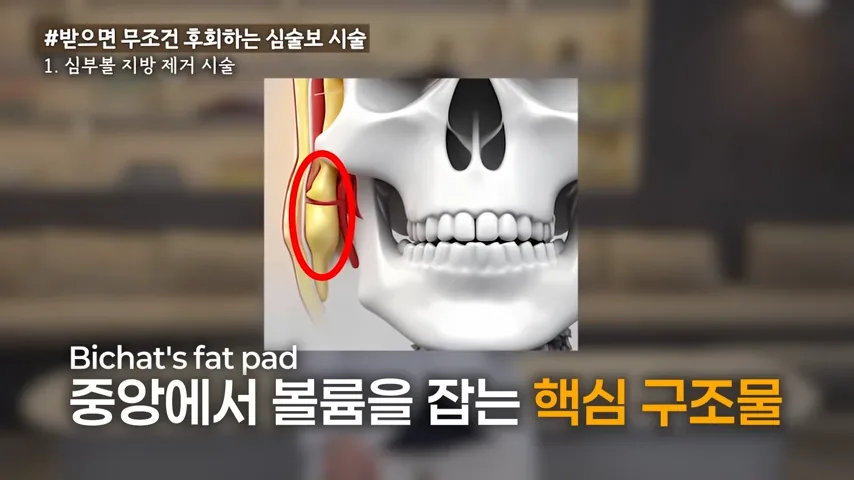
This buccal fat, also called the Bichat fat pad, is a key structure that holds volume in the middle of the face. As more celebrities had buccal fat removal, more people followed, yet some of those celebrities are now hearing that their faces look too hollow years later. Plastic surgery societies have also recently warned about this surgery.

Second, avoid unverified rock-bottom discount deals. Your face isn't a sale item at the supermarket. Even with the same device, results can be worlds apart depending on who designs the treatment and how much thought goes into your concerns. The most important thing is finding a doctor you trust, someone who genuinely thinks about how your face is aging.
The Bottom Line
That wraps up our three-part series on jowls. To stress it once more: home care can be effective at preventing jowls. But if you already have them, you can consider treatment on top of home care.

Just never forget that choosing what suits you works better than choosing the most expensive or most powerful treatment. We hope this series has helped anyone dealing with jowls. If you have more questions about jowls or thread lifts, feel free to contact DAYONE Clinic near Gangnam Station. Thank you.
This article is general information about the treatment and does not replace an individual diagnosis or treatment plan. Results and their duration vary from person to person.
Wondering what would suit you?
Whether a treatment suits you, and how to plan it, is best decided with a doctor.