

A thread lift gives the strongest lift because it physically pulls sagging skin up. Ultherapy works on the SMAS and Thermage firms the dermis, so both rank A-tier.
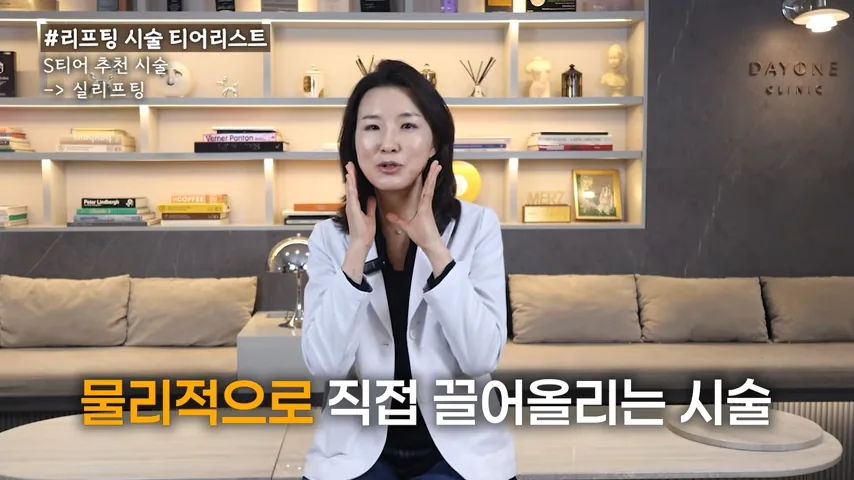
This article is based on an interview from Face Design Lab, DAYONE Clinic's YouTube channel.
It's easy to assume every lifting treatment does roughly the same thing under a different name, but that isn't the case at all. Each one works differently, lasts a different length of time and suits a different kind of patient. So over the next three posts, we're ranking the main lifting treatments from S-tier down to C-tier by results, and explaining which skin each one is right for.
S-Tier: The Thread Lift Physically Lifts Sagging Skin
Let's start at the top. My pick for S-tier is the thread lift. Plenty of treatments claim to lift, but the thread lift gives the most dramatic results of all of them.
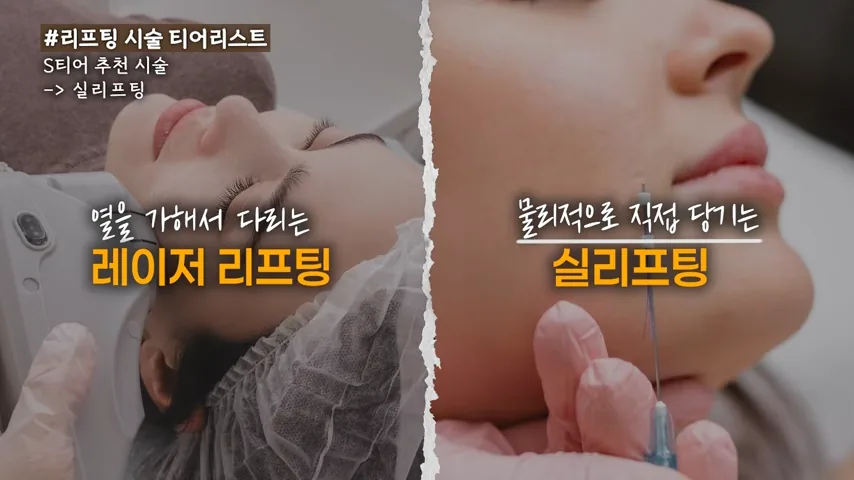
Strictly speaking, the thread lift is the only treatment that physically pulls sagging tissue back up. The device-based treatments are really closer to tightening.
Picture a wrinkled bed sheet hanging loose over the edge of a mattress. Run a steam iron over it and the surface gets noticeably smoother and neater. That's the job Ultherapy and Thermage do: they use heat to smooth and tighten the skin.
A thread lift is more like pulling the corners of that sheet hard and tucking them under the mattress. Instead of using heat, you stretch the sheet out by hand and anchor it underneath, so it ends up far tighter and the change is immediate. That firm, physical pull upward is exactly what a thread lift does.
Who Gets the Most From a Thread Lift?
For patients whose sagging is already advanced, Ultherapy or Thermage often won't make much difference, and many of them are happy with the results of a thread lift. On lifting power alone, the thread lift is S-tier.
Then Why Is Ultherapy More Popular?
People often ask, "If thread lifts are that good, why does everyone get Ultherapy?" For one thing, Ultherapy is a device treatment, so it feels like an easier first step, and its results are excellent, so of course it's popular. A thread lift uses threads and needles, and quite a few people simply aren't comfortable with that.
More importantly, a treatment that works well isn't automatically right for everyone. The point is to choose what matches your skin. When sagging is significant, a thread lift is the most effective option, but if it isn't, Ultherapy or Thermage is often enough.
Thread Lift Side Effects to Know About
If you have a thread lift before you actually need one, you can end up with side effects such as dimpling, where the skin looks lumpy, or a change in your face shape.
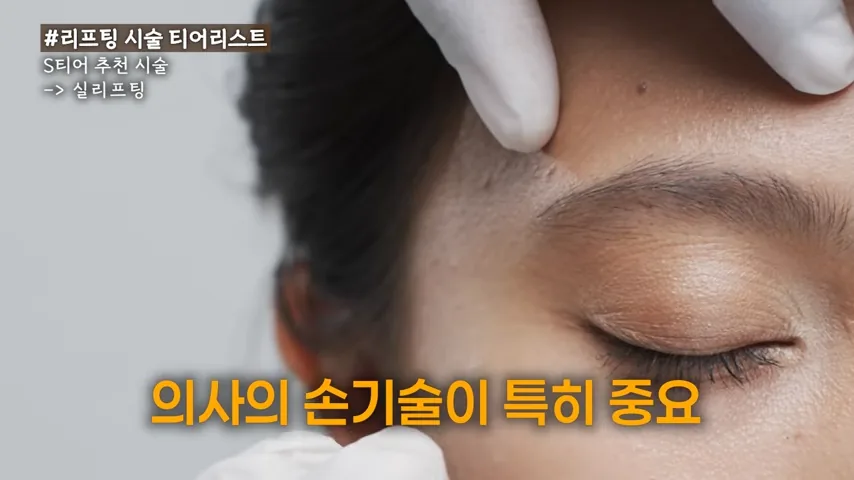
A thread lift also depends heavily on the doctor's hand. Threads placed too shallow can show through the skin or leave small indentations, and threads placed too deep may do nothing at all. Where they go and at what angle also make a big difference to the result, so it's important to be treated by an experienced doctor.
One more thing: don't book an important event for the day after your thread lift. You may have some swelling for two to three days afterward, so if you have a big occasion coming up, get the treatment at least a week before.
A-Tier: Ultherapy Works on the SMAS Layer
Next is the first of our A-tier treatments: Ultherapy. If the thread lift gives the strongest lift as a physical treatment, Ultherapy gives the strongest lift among energy-based devices.
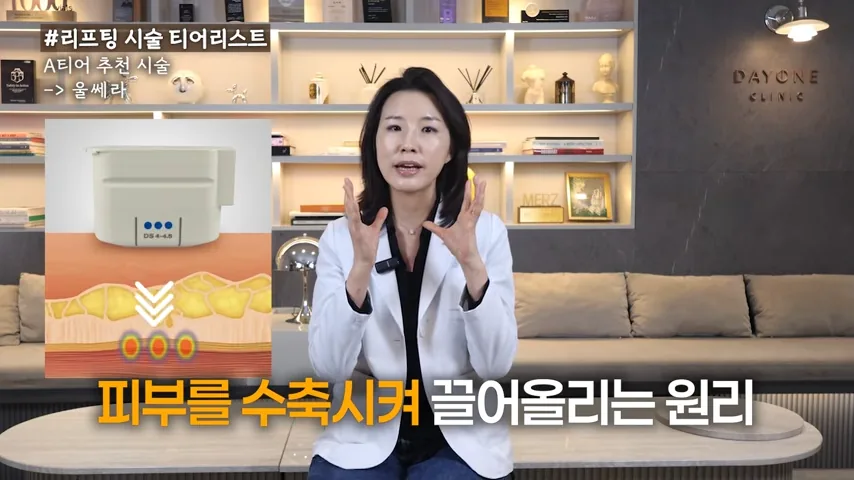
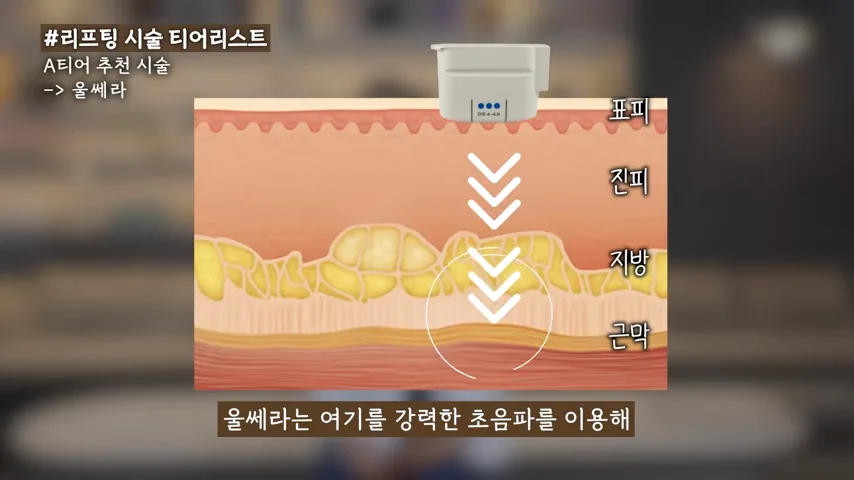
Ultherapy heats the deep SMAS layer (the fascia) so that it contracts and lifts sagging skin. This layer is what holds your skin firmly in place, and it's the same layer a surgeon lifts by hand during a facelift. Ultherapy concentrates powerful ultrasound on it and makes it contract strongly, which is how the skin gets lifted and tightened without any physical pulling.
Thin Cheeks? Watch Out for Hollowing
Because it's so powerful, Ultherapy can cause cheek hollowing in people who don't have much fat in their cheeks. Put simply, the ultrasound energy shrinks or melts some of the fat cells in the layer under the skin. If you have fuller cheeks, losing a little of that volume barely shows. If your cheeks are already slim, even a small loss can leave them looking sunken. That's why we generally don't recommend Ultherapy for people with very thin skin and little facial fat.
So does that mean you can't have Ultherapy if your cheeks are thin? Not at all. You can have it when you need it, but the treatment design and energy level matter a great deal.
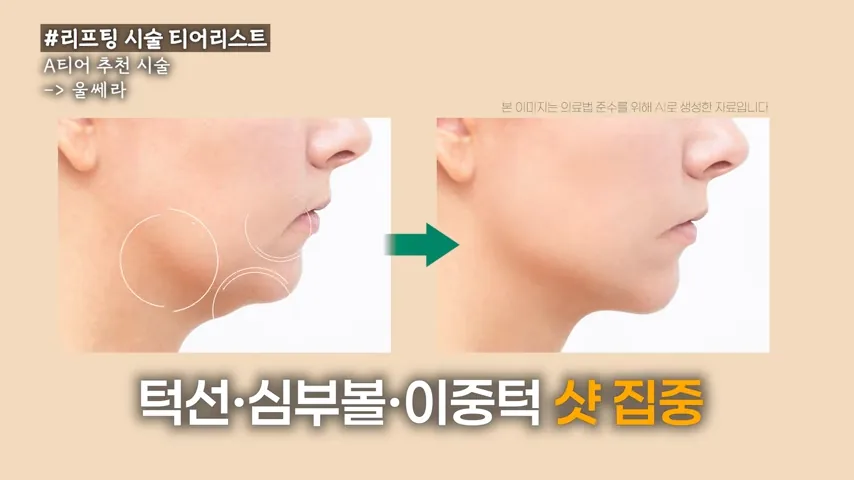
For a face that's prone to hollowing, rather than treating the whole cheek at full strength, the doctor focuses on the areas where sagging actually happens, such as the jawline, the buccal fat area and the double chin, and lowers the energy over the center of the cheek or skips it entirely. The design has to be planned carefully. In some cases, Thermage may simply be the better fit.
A-Tier: Thermage, No Risk of Hollowing
The second A-tier treatment is Thermage. Where Ultherapy works on the deep layers, Thermage firms up the surface. It uses radiofrequency energy to stimulate new collagen, so the skin becomes firmer, fuller and slightly thicker.
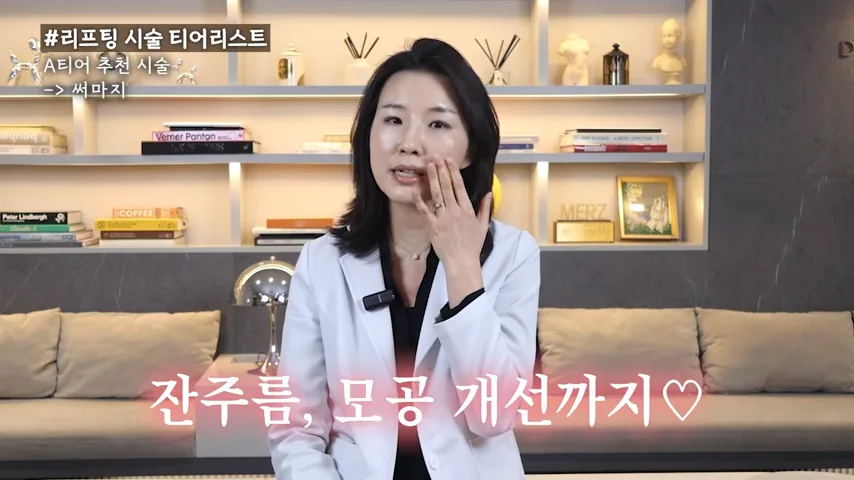
Because it improves skin elasticity, it also helps with fine lines and pore size. Most importantly, Thermage doesn't cause cheek hollowing. It doesn't reach deep the way Ultherapy does; it stays focused on the dermis, which sits above the fat layer.
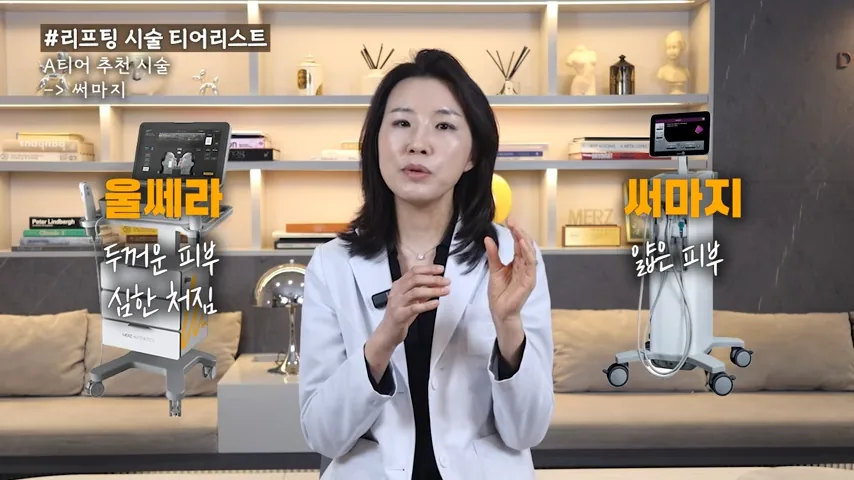
As a rough guide, if your skin is thick and sagging a lot, think Ultherapy. If your skin is thin and your main concern is that it feels loose and limp, think Thermage.
Is Ulthermage Too Much for Your Skin?
"A lot of people get Ultherapy and Thermage together as an 'Ulthermage' combination. Isn't that hard on the skin?" We hear this question a lot. The short answer is no, having both at once doesn't put excessive strain on your skin. As we explained above, they do different things and work at different depths. They each have their own territory, so they don't collide and overload the skin.
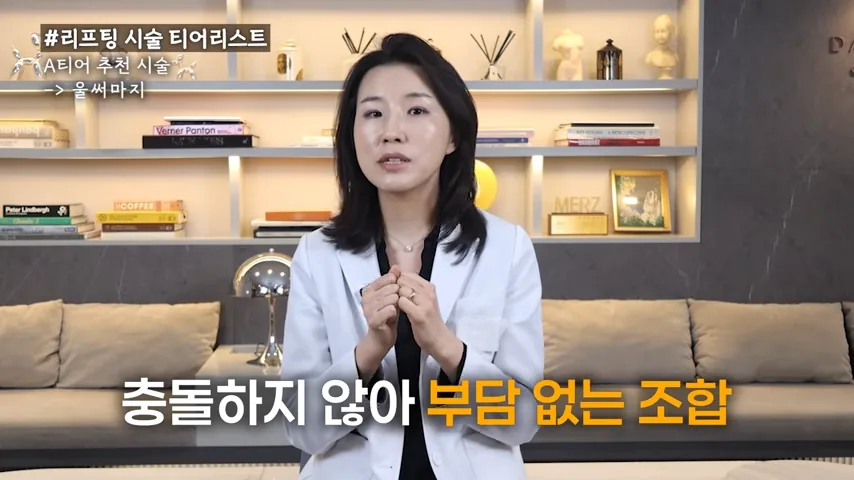
In fact, the combination makes results last much longer. Skin produces collagen best at temperatures above 60°C. If you have Ultherapy first to heat the deep layers and then Thermage to heat from the surface, the whole thickness of the skin gets nicely warmed through. Collagen regenerates far more actively, and the results of the treatment are maximized.
The Bottom Line
Remember the key points: the thread lift is S-tier, Ultherapy and Thermage are A-tier, and the right choice depends on how much sagging you have and what your skin is like. In the next post, we'll look at the B-tier treatments that offer great value. If you have questions, feel free to get in touch with DAYONE Clinic near Gangnam Station anytime.
This article is general information about the treatment and does not replace an individual diagnosis or treatment plan. Results and their duration vary from person to person.
Wondering what would suit you?
Whether a treatment suits you, and how to plan it, is best decided with a doctor.