

We answer the questions we hear most in thread lift consultations—pain and swelling, how long results last, side effects, and aftercare. Our goal is results that last about 18 months on average, though this varies from person to person, and we walk you through how to care for your skin in the first one to two weeks.
Hello from DAYONE Clinic. Once you’ve decided on a thread lift, the next questions usually follow: How much will it hurt? How swollen will I be? How long will it last? What should I watch out for? Here, we’re answering the questions we get most often in consultations, all in one place.
How much pain and swelling should you expect?
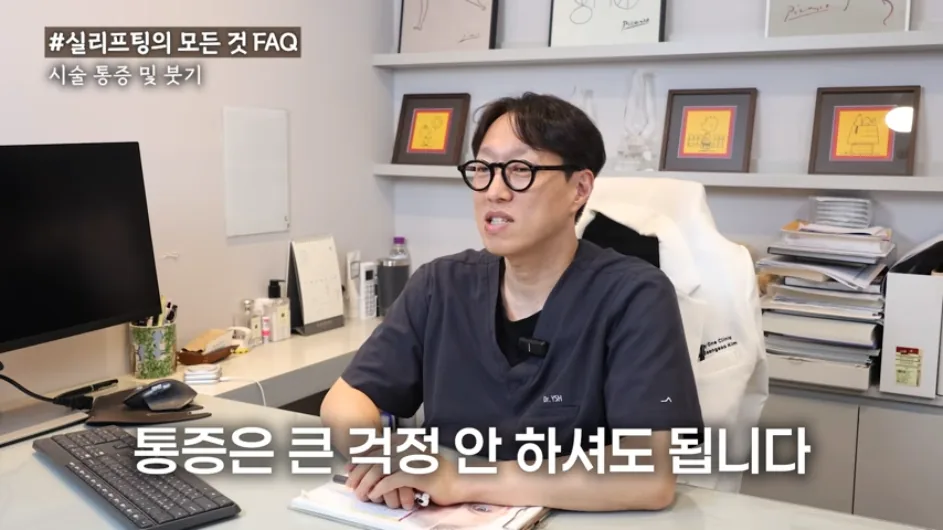
Because the procedure is done under local anesthesia or IV sedation, you don’t need to worry much about pain during treatment. Once the anesthesia wears off, though, your face may feel achy and tight for a few days, and opening your mouth may be uncomfortable.
Swelling varies from person to person. Some people are back to their normal routine the next day, while others still have some swelling a week later. Most people notice improvement within five days to a week.
How long do results last?

We perform thread lifts with the goal of results lasting about a year and a half. That said, this can vary with your skin condition and lifestyle. As the threads dissolve, they may help stimulate some collagen production, but we can’t say for certain that a thread lift stops aging altogether or that results last two to three years. It’s good to know going in that results vary quite a bit from person to person.

An honest look at the side effects people worry about
Dimpling or threads you can feel
This happens because the cannula used to insert the threads is straight, while the face is curved. Most of the time it smooths out on its own within one to two weeks, and if it doesn’t, it can often be released with a simple adjustment in the clinic.

We wouldn’t promise it can be fully corrected 100% of the time, but it’s usually fairly simple to resolve.
A hollow look along the sides of the cheeks
Anatomically, the sides of the cheeks are held firmly by retaining ligaments, so this area naturally looks slightly hollow. As the face slims, this line can become more pronounced, and some people mistake it for a dent caused by the threads—but it’s really closer to your existing structure showing through. That’s why precisely planning where the threads go can often soften it instead.

Tissue that looks bunched up
If sagging tissue is pulled in just one direction, the volume can pile up at the sides and make the face look wider. We first lift and secure the sagging tissue with threads that have strong pulling power, then reinforce the area with closely spaced, longer-lasting threads, so we address both lift and skin support. There’s no set formula for the number or type of threads—we decide based on your face and how much sagging there is.
Aftercare
For the first one to two weeks, avoid putting heavy pressure on your face or massaging it. Pressure before the threads have settled can shift their direction. It’s also safest to stay away from very hot environments like saunas and steam rooms during this time.
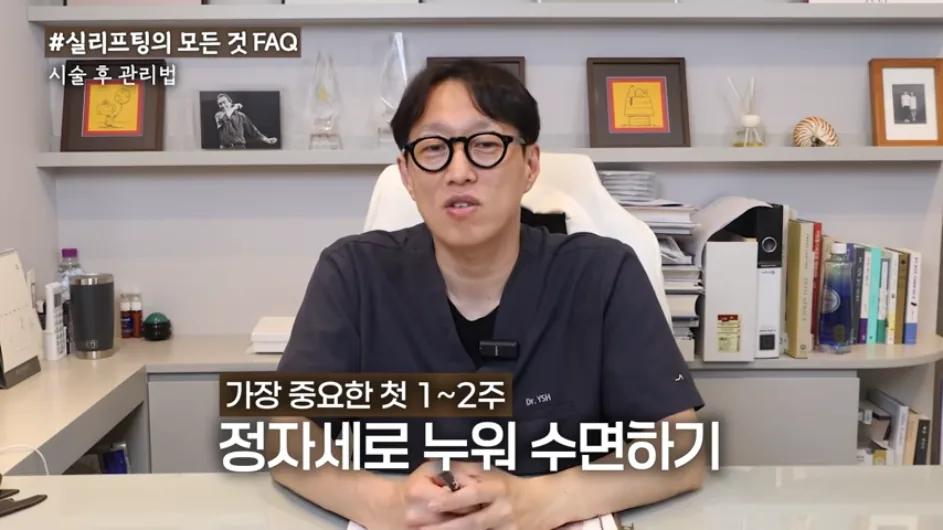
If you usually sleep on one side, we recommend sleeping on your back, at least while you recover. Applying sunscreen consistently also helps support collagen as it builds.
The bottom line
For a natural result you’re happy with, a thread lift should be custom-planned around your face shape, degree of sagging, and skin condition. We encourage you to visit DAYONE Clinic at Gangnam Station for an in-depth consultation with your doctor, and feel free to reach out anytime with questions.
This post is based on an interview from DAYONE Clinic’s YouTube channel, Face Design Lab.
This article is general information about the treatment and does not replace an individual diagnosis or treatment plan. Results and their duration vary from person to person.
Wondering what would suit you?
Whether a treatment suits you, and how to plan it, is best decided with a doctor.