

Jowls aren't just cheek fat. They come from sagging plus hollowing and lost elasticity around them, so they need a structural lift, not fat-melting injections alone.
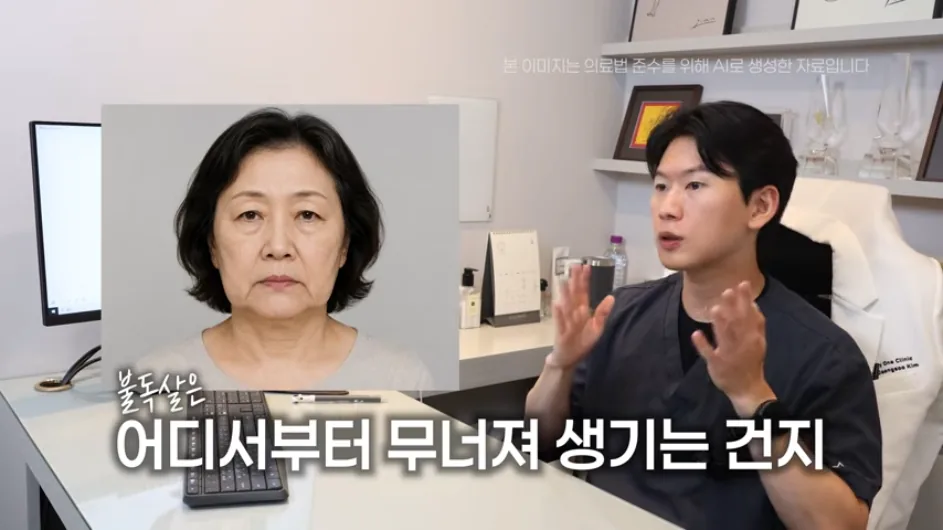
This article is adapted from an interview on Face Design Lab, DAYONE Clinic's YouTube channel.
Hello from DAYONE Clinic. Have you ever looked down at your phone, caught your face in the dark screen and been shocked? Your jawline used to be sharp, and now there's loose skin hanging on either side of your jaw. Plenty of people have had that moment of thinking, "When did I get this old?"
People ask if you're angry when you're not, and your face looks heavier and squarer even though you haven't gained weight. The main culprit is jowls.
Many people assume jowls are simply extra cheek fat or aging on the skin's surface, and end up caring for them the wrong way. In fact, jowls come from sagging combined with hollowing and lost elasticity in the surrounding area. Here's where jowls actually start to break down.
Facial Aging Involves Three Changes at Once
As we get older, the face goes through three main changes.
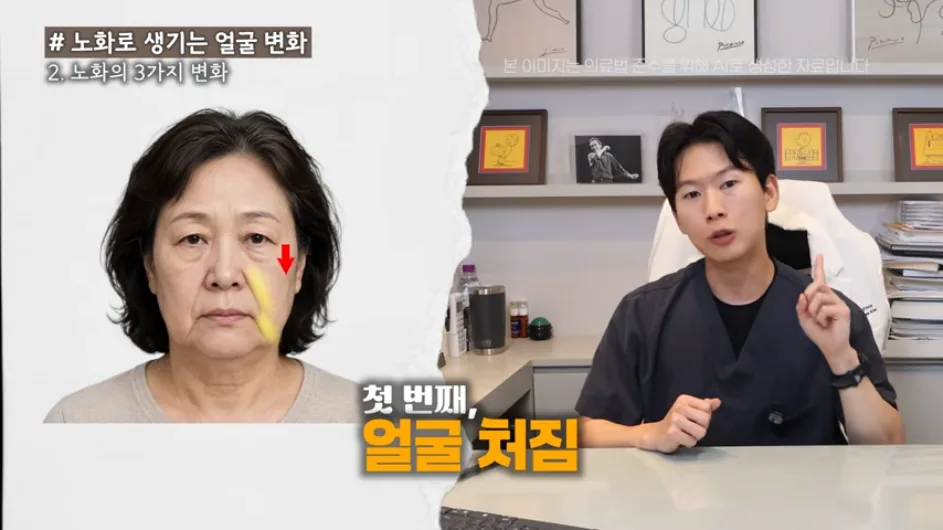
The first is sagging. Gravity pulls facial tissue downward. As the area above the nasolabial folds drops, the folds become thick and heavy, and you can see too much tissue settling in the deep cheek area where jowls form. The cheekbone area sags too, which can make the face outline look peanut-shaped.
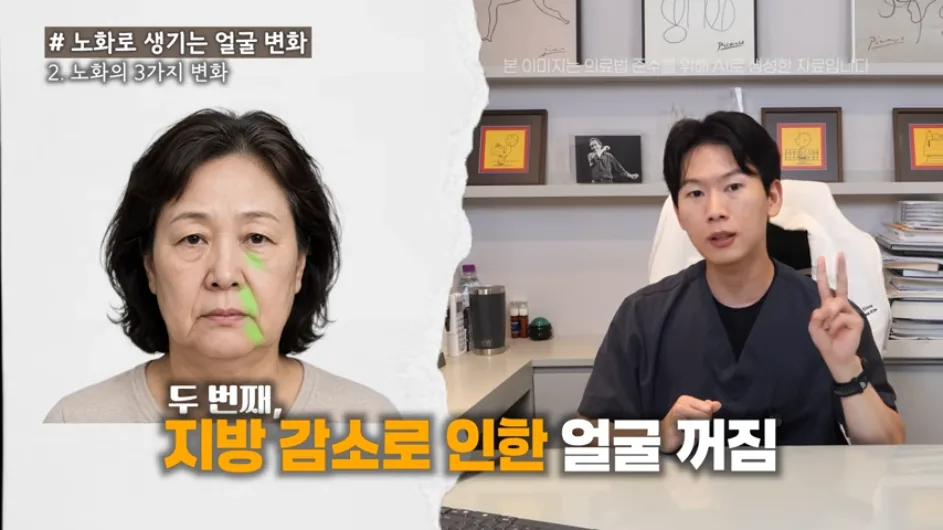
The second is hollowing. Alongside sagging, some areas lose volume instead. Hollowing of the upper eyelids, under-eyes, inner nasolabial area, marionette area and side cheeks makes the face look tired and shadowed.
The third is fine lines. Lines under the eyes, between the brows, across the bridge of the nose and the dimpling of a cobblestone chin gradually increase.
There's a reason all three changes need to be considered together. If you focus only on sagging and simply pull everything up, the hollowing and fine lines stay, and the face ends up looking unnatural. A natural result comes from improving all three a little at a time.
Where Do Jowls Start?
Jowls can be divided into upper and lower jowls. The upper part forms the border of the marionette lines, and the lower part is tissue sagging toward the jawline. The approach depends on which one bothers you more. And jowls can't be judged by looking at the jowls alone.
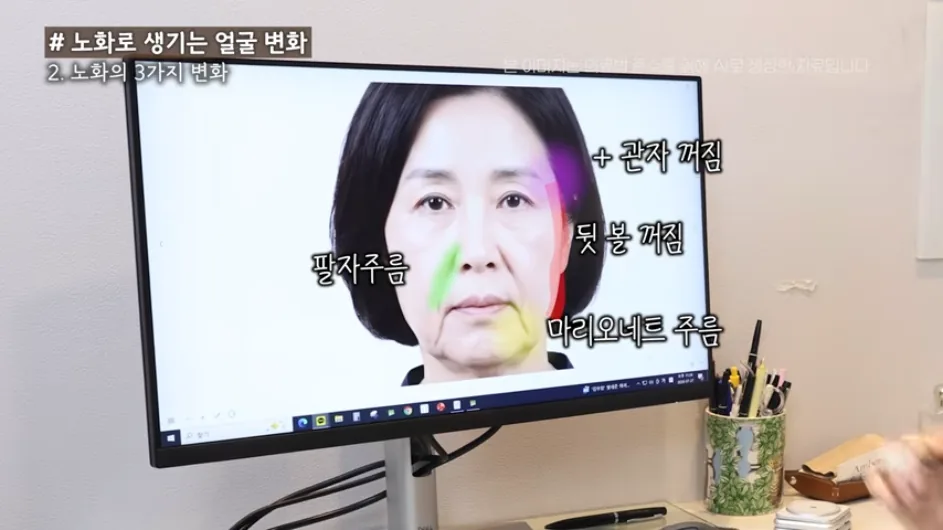
Jowls do sag and droop, but in many cases the marionette area just inside them hollows out, making the step between the two more pronounced so the jowls stand out even more. That's why your doctor needs to check whether the area around the jowls is hollow, whether it has lost elasticity and whether there's too much volume.
A Word of Caution
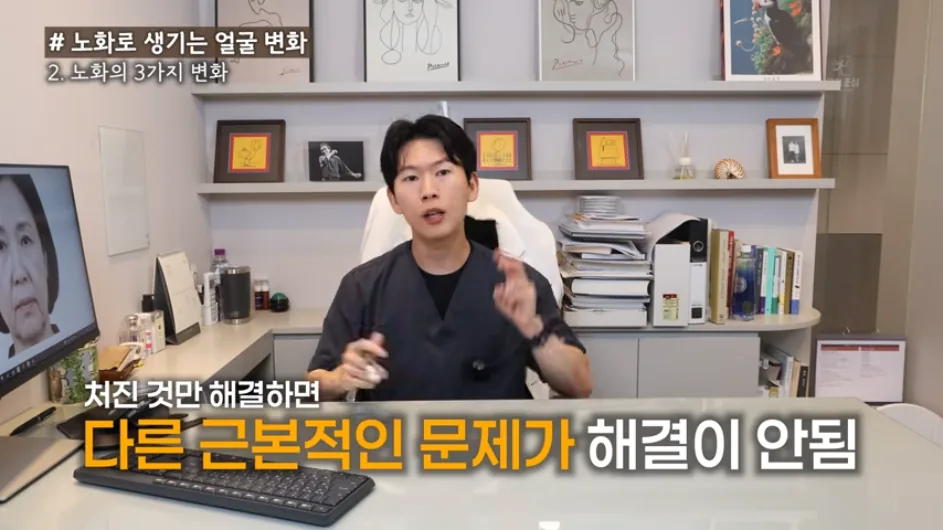
If you try to melt or remove this tissue with contouring injections alone just because it bothers you, it can sag even more, like a deflated balloon. What matters is a structural approach that firmly lifts the loose, sagging fascia layer (SMAS) back to where it used to be.
The Takeaway
Jowls come from sagging combined with hollowing and loss of elasticity around them, so a structural approach is key. In the next article, we'll explain specific treatment combinations for improving jowls. If you have any questions, feel free to get in touch with DAYONE Clinic at Gangnam Station anytime.
This article is general information about the treatment and does not replace an individual diagnosis or treatment plan. Results and their duration vary from person to person.
Wondering what would suit you?
Whether a treatment suits you, and how to plan it, is best decided with a doctor.