

Botox does more than smooth wrinkles. It can calm redness, refine texture, help makeup last by reducing oil, and slim the jawline and shoulder line.

This article is adapted from an interview on Face Design Lab, DAYONE Clinic's YouTube channel.
Hello from DAYONE Clinic at Gangnam Station. Plenty of you have probably had Botox at least once, or given it serious thought. Most people, though, finish their treatment thinking "my wrinkles are a bit smoother" and leave it at that.
Botox can do much more than smooth wrinkles. It can calm redness and refine skin texture, help makeup last by reducing oil, and reshape your facial contours and shoulder line. Here are three lesser-known benefits that many Botox patients never realize they're getting.
Botox Isn't Just a Wrinkle Treatment
It helps to start with how Botox works. Botox blocks the signals nerves send to muscles. The key point is that these nerves aren't connected only to muscles.
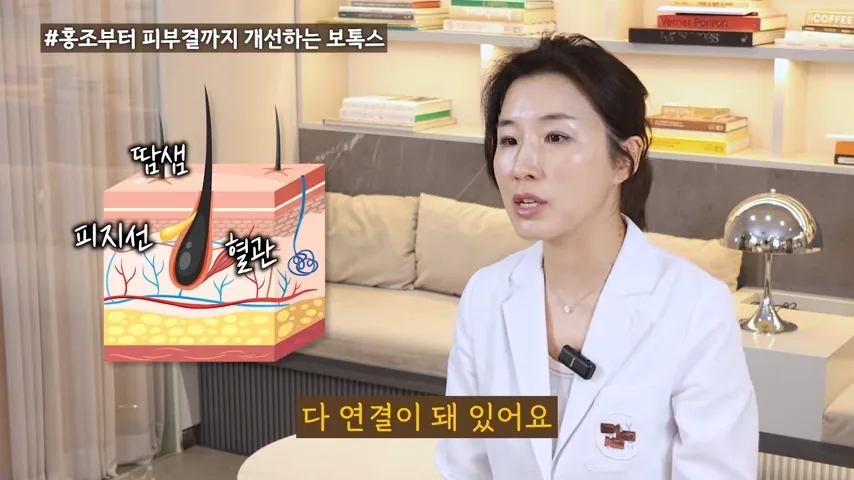
They also reach blood vessels, sweat glands and the glands that produce oil. That's why Botox can have a range of effects, depending on what it reaches.
Hidden Benefit 1: Better Skin Tone and Texture
Do you flush easily? This redness happens when the tiny blood vessels under the skin dilate too much.
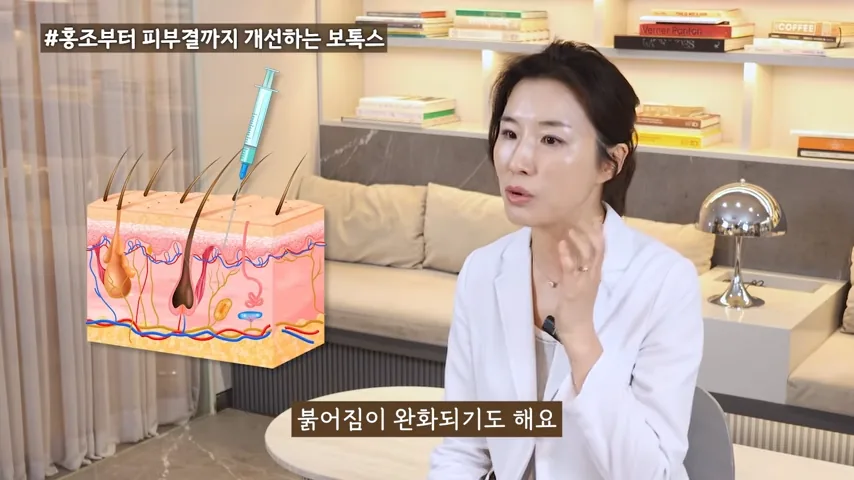
When skin Botox (also called micro-Botox) is injected shallowly into the area, the signals that dilate the blood vessels are reduced, and redness can calm down. That's why people who've had it often say their skin tone looks brighter.
It's not just about a brighter color. The texture of the skin changes too. There is also research showing that when Botox reaches the dermis, it stimulates the cells that produce collagen. That's why I explain Botox to patients not as a simple wrinkle treatment, but as one that boosts the overall condition of the skin.

Hidden Benefit 2: Makeup That Stays Put

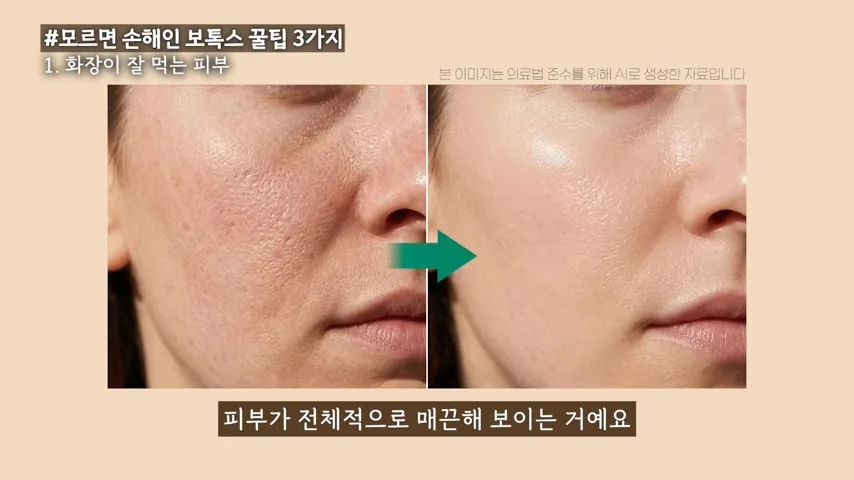
Skin Botox reduces oil production, and with less oil, makeup is far less likely to lift or separate. You know how some people get shiny around the nose and forehead by afternoon and their makeup starts to slide?

The first thing those patients notice after skin Botox is, "Wait, my makeup isn't breaking down." Foundation goes on more smoothly and lasts longer. Pores look smaller too, so the skin looks smoother overall. Some people even come in for Botox because of their makeup, not their wrinkles.
Hidden Benefit 3: A Slimmer Face and Even a Different Silhouette
When people think of Botox, many only picture slimming a square jaw. But reducing the masseter (the muscle at the side of the jaw) alone only slims the back of the jaw slightly, and the face doesn't look much smaller from the front. For real results, the tension in the platysma, the muscle running from under the jaw down the neck, needs to be released as well. When this muscle pulls tight, the neck looks shorter and a double chin becomes more noticeable.
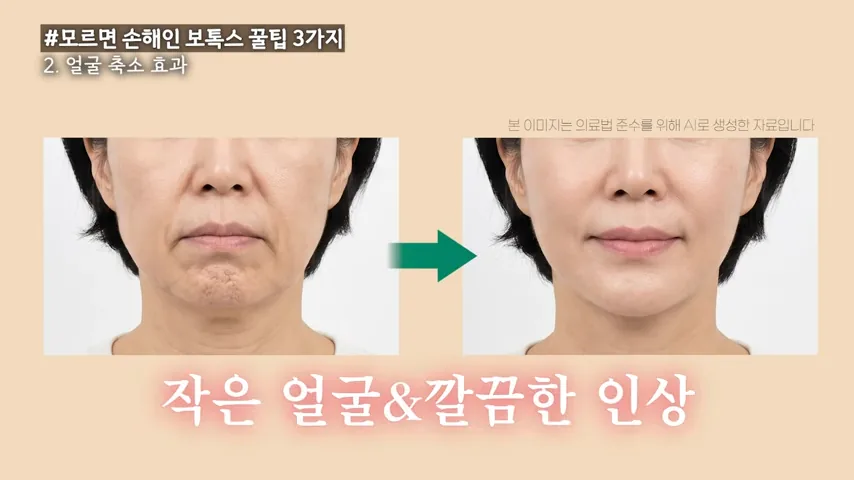
Relax the muscle that pulls the corners of the mouth down as well, and the whole lower face feels lifted, so the face looks noticeably smaller and cleaner. This is sometimes called the Nefertiti lift these days, after the statue of the Egyptian queen Nefertiti, because it gives a sharper jawline and a longer-looking neck. Trapezius Botox in the shoulders works the same way.

When the trapezius muscles are overdeveloped, the neck looks short and the shoulders sit high, making the upper body look bulky. Injecting Botox here relaxes the muscle so the shoulder line drops, the neck looks longer and the overall silhouette becomes slimmer. Your face stays the same size, but with lower shoulders it looks smaller by comparison.
The Takeaway
Keeping Botox only for wrinkles means missing out on a lot. Skin tone, texture, makeup wear, facial contours and even your silhouette: keep in mind just how many possibilities there are. In the next article, we'll look at why the same Botox can give different results.
This article is general information about the treatment and does not replace an individual diagnosis or treatment plan. Results and their duration vary from person to person.
Wondering what would suit you?
Whether a treatment suits you, and how to plan it, is best decided with a doctor.