

Botox isn't only for smoothing wrinkles. It adjusts muscle strength, so it can lift the face by easing the muscles that pull it down and help correct asymmetry. We also cover why skin Botox looks natural, myths about resistance and how to order and combine treatments.

This article is adapted from an interview on DAYONE Clinic's YouTube channel, Face Design Lab.
Hello from DAYONE Clinic. Lifting Botox reduces the strength of the muscles that pull the face down, such as the platysma and the depressor anguli oris, so the lifting muscles can do their job. In the last two articles, we covered why lifting results fade quickly and how to exercise your facial muscles at home. But some of you are probably saying, “I've been doing the exercises pretty diligently, and nothing has changed.”
If that sounds familiar, it's less likely that you didn't try hard enough and more likely that the muscle imbalance has already grown too large to fix with home care alone. In this article, we'll explain how lifting Botox can help.
Botox: An Injection That Adjusts Muscle Strength
If your muscles are knotted hard as a rock, or so weak they don't respond to exercise, medical help is the more efficient route. For these patients, I recommend Botox.

Botox is commonly known only as a wrinkle-smoothing injection, but it's more accurate to think of it as an injection that adjusts muscle strength. That's why, with careful planning of where to inject, it can also give a lifting effect.
How Botox Lifts the Face
Many people are surprised: “Botox is a relatively inexpensive treatment, and it can lift my face?” To understand why, you first need to know that facial muscles fall into two main groups.
Some muscles pull the skin up and others pull it down. When we're young, the two sides are evenly matched in a tug-of-war, but with age and gravity, the side pulling down, the depressor muscles, gradually gains the upper hand.
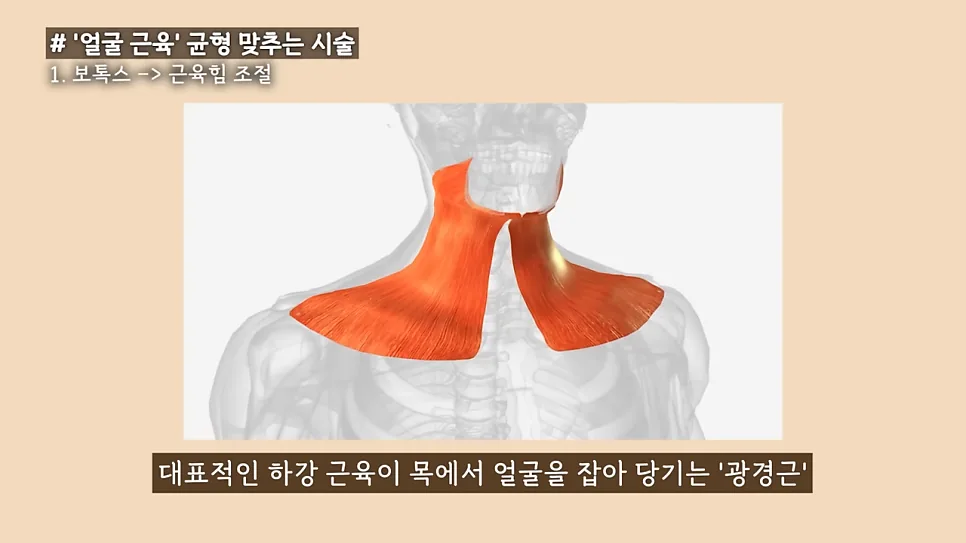
Typical depressor muscles include the platysma, which pulls the face down from the neck, the muscle that pulls down the corners of the mouth, and the jaw muscles. That's why the jawline blurs and the mouth corners droop more easily with age.
Easing the Pull of the Depressor Muscles
When lifting Botox reduces the strength of the depressor muscles, the lifting muscles lose the opponent that was dragging them down, so they work better.
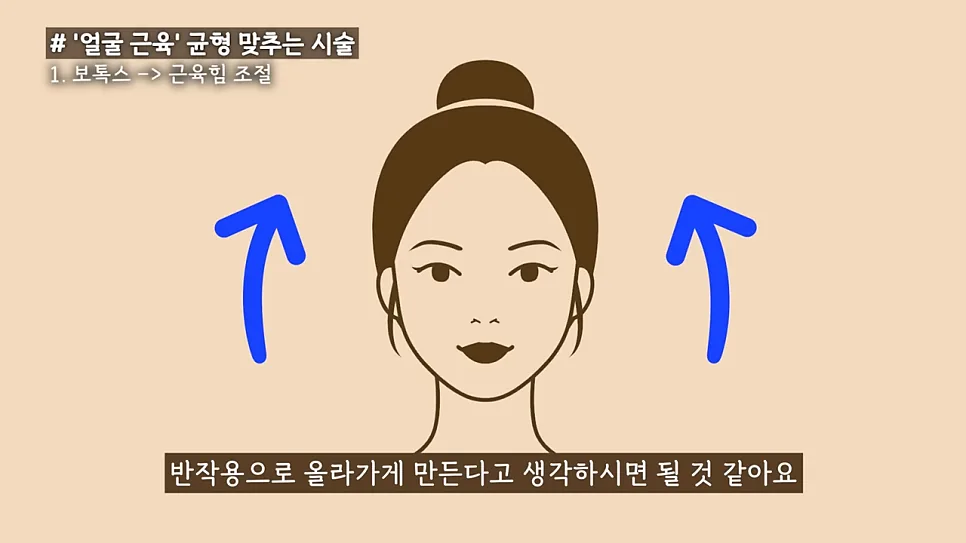
To sum up, Botox doesn't strengthen the lifting force. It cuts off the force pulling down, and the face rises as a result. That's why we talk about a lifting effect.
Correcting Muscle Asymmetry
Another use of Botox is correcting muscle asymmetry. In some people, only one corner of the mouth rises when they talk or smile. Chewing on one side, resting your chin on your hand or sleeping on your side can make the muscle on one side grow, which easily leads to this kind of asymmetry.
In these cases, relaxing the stronger muscle with Botox can make the facial lines look smoother and, in some cases, change the facial contour noticeably.
Skin Botox for Natural Results
Among the different Botox techniques, skin Botox in particular tends to give natural results.
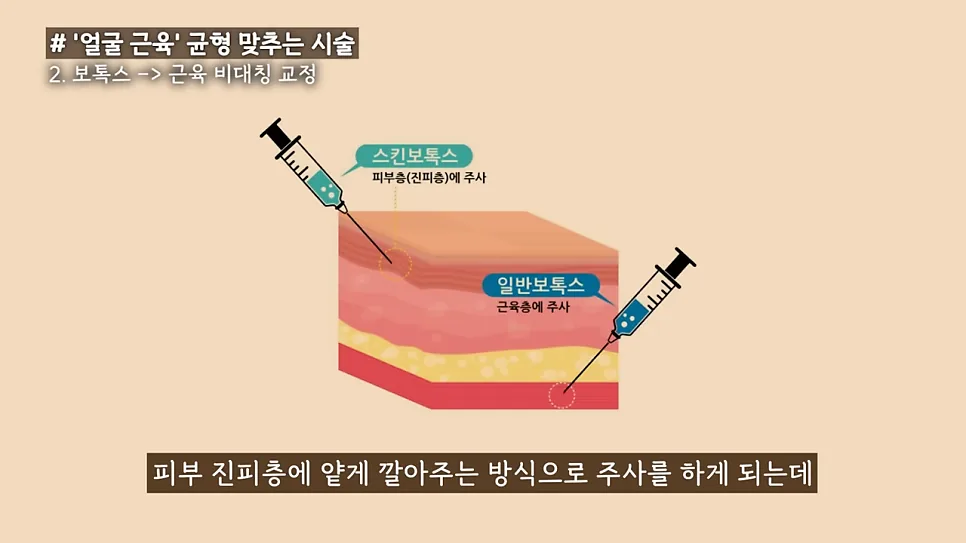
Instead of going deep into the muscle, it's injected thinly into the dermis, almost as if spreading it across the skin, so it only gently softens the fine movements of the muscle. That means less worry about your expressions looking frozen afterward.
Myths About Botox Resistance
“If I keep getting Botox, won't my muscles lose all their strength and make my skin sag more? And won't I build up resistance?” We get this question often, and it's a big misconception.
The short answer: if you keep to the right dose and interval, the chance of developing resistance is very low. Resistance develops when you get injections too often at short intervals or use too much at once. Your body makes antibodies to Botox, and the response becomes weaker.
Botox also doesn't weaken the muscles forever. Resistance only means a weaker response to Botox; it doesn't mean your muscles lose more strength the more you get. When you stop Botox, your wrinkles don't multiply. Your face simply returns to how it was.

As long as you keep to the right dose and interval, Botox is a very effective treatment for preventing wrinkles.
Summary
Let's sum up what we've covered across these three articles. Aging isn't only the surface of the skin getting older. The muscles, bones and fat underneath change together, and polishing the surface alone won't solve it.
That doesn't mean you should avoid costly treatments like Ultherapy or Thermage altogether.

They're effective treatments, but what matters most is the order and the combination. If you're concerned about sagging or facial aging, rather than asking for “the most expensive option,” keep up the home care we shared earlier and have a consultation to check the condition of your facial muscles.
If the muscle problem needs to be addressed first, lifting Botox may be more effective than Ultherapy. Having Ultherapy after that may extend results that used to last about three months to more than a year.
We hope this article was helpful. If you have any questions, feel free to contact DAYONE Clinic near Gangnam Station. Thank you.
This article is general information about the treatment and does not replace an individual diagnosis or treatment plan. Results and their duration vary from person to person.
Wondering what would suit you?
Whether a treatment suits you, and how to plan it, is best decided with a doctor.