

Rejuran hurts because PN, its active ingredient, is thick and sticky. Rejuran HB, which contains an anesthetic, and automatic injectors have made it much easier to tolerate. We also cover Shurink for anyone who wants an ultrasound lift that costs less than Ulthera.
This post is adapted and edited from an interview on DAYONE Clinic's YouTube channel, Face Design Lab.
Hi, this is DAYONE Clinic. "I know Rejuran is good, but everyone says it hurts, so I keep putting it off." We hear this in the consultation room constantly. For most people looking into Rejuran, pain is the biggest worry. Rejuran hurts because PN, its active ingredient, is thick and highly viscous. Instead of gliding through the dermis, it pushes the surrounding tissue aside as it settles in. These days, Rejuran HB, which contains an anesthetic, and automatic injectors have made the pain much easier to handle.
Given the results, it would be a shame to skip it just because of the pain. So today I'll walk you through, honestly, why Rejuran hurts and what has improved.
Rejuran: Rebuilding the Skin's Foundation
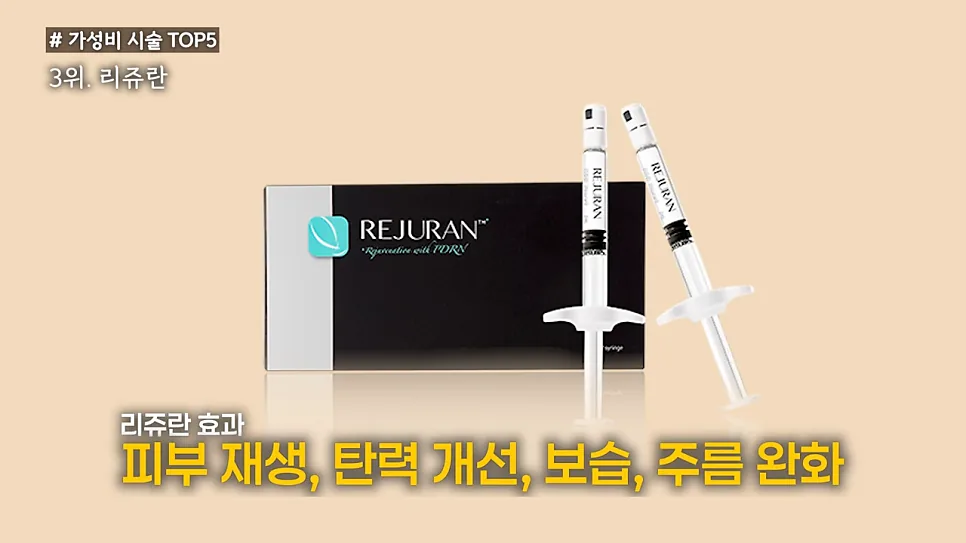
Rejuran helps on several fronts: skin regeneration, firmness, hydration and softening wrinkles. Its main ingredient is polynucleotide, or PN, extracted from salmon DNA. Once PN is in the skin, it strengthens a thin, sensitive barrier, balances oil and moisture, and improves the quality of the skin itself. Think of it as a treatment that helps your skin get back to its healthy state.
Rather than giving you a short-lived boost, it builds your skin's own ability to recover, so in the long run it's a good investment in skin health. Firmness and hydration improve and fine lines soften, which can help with many of the skin concerns people have today.
Why Rejuran Hurts More
So why does Rejuran hurt more than other treatments? Because PN is a very sticky, highly viscous substance. Large-molecule, viscous materials don't glide into the dermis. They push the surrounding tissue aside as they settle in.
That's why you feel a bit more pain than with other injections. Fortunately, things are very different now.
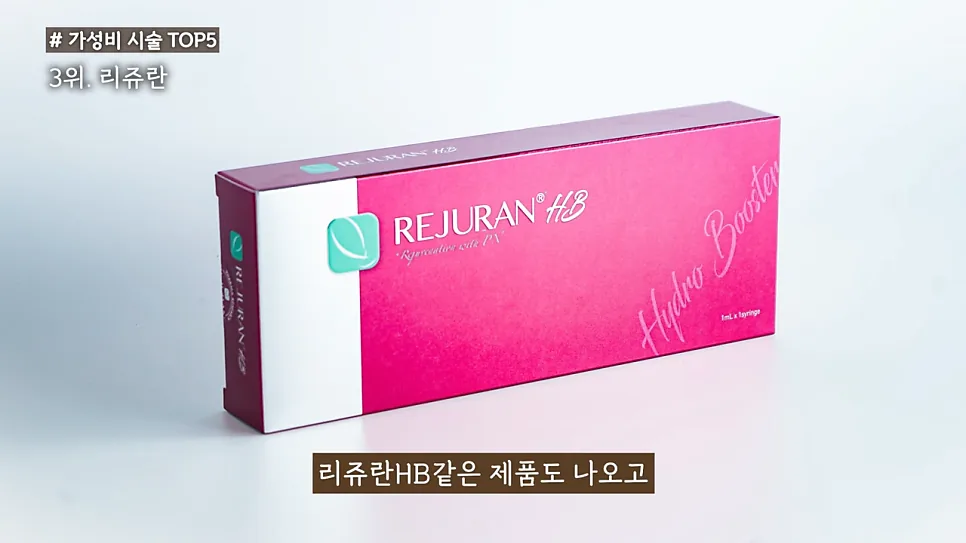
With so many people mentioning pain, the products have improved, and options like Rejuran HB, which contains an anesthetic, are now available. Automatic injectors, which deliver the product faster and more evenly than hand injection, are also widely used.
If pain has been holding you back, it may be worth another look. If you're keen on the results but nervous about discomfort, choosing a product with an anesthetic or a clinic that uses an automatic injector is a good way to go.
Shurink: Ultrasound Lifting at a Lower Cost
If sagging bothers you, you've probably looked into ultrasound lifting at some point, and Ulthera is usually the first name that comes to mind. Ulthera is the benchmark device for ultrasound lifting and still delivers strong results, but price is the biggest barrier.

A newer device, Ultherapy PRIME, an upgrade on the original Ulthera, has also arrived. Since it was introduced, Ulthera prices have been creeping up. If cost is a factor, Shurink is worth a look.
Shurink is a Korean-made device built on the same principle as Ulthera. Among similar devices it's considered one of the more effective, and it costs far less than Ulthera, so patients tend to be very happy with the value. Many people save up for Ulthera as a one-off, while plenty of others come in for Shurink regularly every month or two.

Shurink's biggest advantage is that its lower cost makes regular maintenance easy. You can't expect results as strong as Ulthera, but if you want to stay ahead of sagging and improve it with regular sessions, Shurink may be the more realistic choice.
Final Thoughts
Rejuran and Shurink each have clear strengths. Rejuran is a regenerative treatment that rebuilds your skin's foundation, and Shurink is a way to keep up lifting regularly at a manageable cost. Choose based on your skin today and the goals you have in mind. If you have questions, feel free to get in touch with DAYONE Clinic near Gangnam Station.
This article is general information about the treatment and does not replace an individual diagnosis or treatment plan. Results and their duration vary from person to person.
Wondering what would suit you?
Whether a treatment suits you, and how to plan it, is best decided with a doctor.