

A peanut-shaped face happens when the contour running from the temples over the sides of the cheekbones and cheeks down to the jaw muscles becomes uneven. Rather than bone surgery or indiscriminately adding filler, the key is lifting sagging tissue back to where it sat when you were younger and smoothly repositioning it.
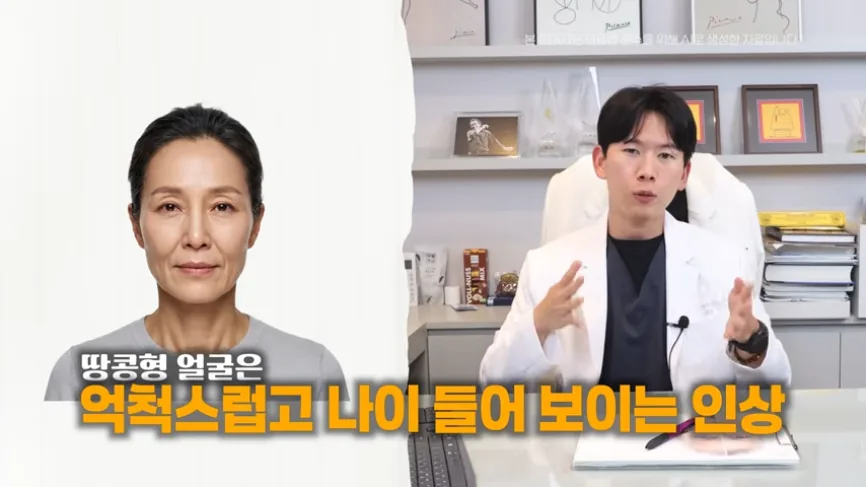
Hello from DAYONE Clinic. Have you ever been feeling great, only to have people ask, “Are you sick?” or “Why do you look so tired?”—or tell you that you’ve started to look a little severe? When your temples and the sides of your cheeks are sunken and your cheekbones stick out, your face can look hard and older than you are, even when you’re not smiling. The culprit is what we’re talking about today: the peanut-shaped face, a bumpy facial contour that dips in and out like a peanut shell.
Many people figure their bones have become more prominent with age and start considering bone-shaving surgery, or they simply start filling every sunken spot with filler.
But that approach can make the face look wider and flatter, or the added weight can drag the tissue down even further until your facial contours collapse completely. So today we’ll walk through where these contours start to break down, and how to restore a smooth, oval face shape without bone surgery or incisions.
What Causes a Peanut-Shaped Face?
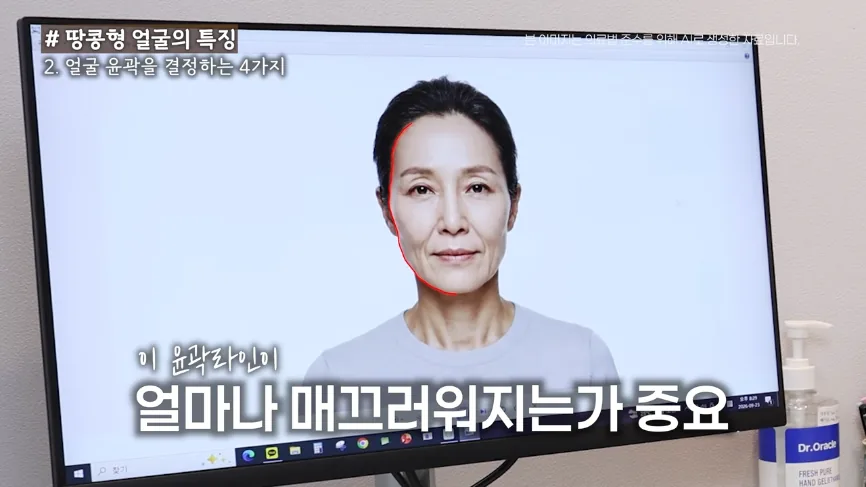
Whether a face looks peanut-shaped comes down to how smoothly its contour flows—from the temple line that begins at the forehead, across the sides of the cheekbones and the cheeks, down to the jaw muscles. You can think of it in four main areas.
Temples—With age or dieting, the fat here is lost and the temples become deeply sunken.
Sides of the cheekbones—Many clinics will tell you, “It’s bone, so you need surgery,” but this area can actually be improved well with nonsurgical treatments. Cheekbones don’t need a dramatic 5–6 cm reduction. Patient satisfaction in this area tends to be very high with a reduction of just 1–2 cm.
Hollow cheeks—This is the area people worry about most. Many hesitate to add volume here, afraid it will make their face look bigger, but simply straightening out that curved outline so it drops in a clean line can actually make the face look smaller.
Jaw muscles—When the large muscle running from the cheekbone down to the jaw is well developed, it’s a major contributor to a peanut-shaped face.
It’s Not About Filling or Shaving
You shouldn’t just pack filler into every hollow. When the supporting ligaments have weakened, adding more and more heavy material can simply make the face look wider, or the weight can make the tissue sag further and the contours even more uneven.
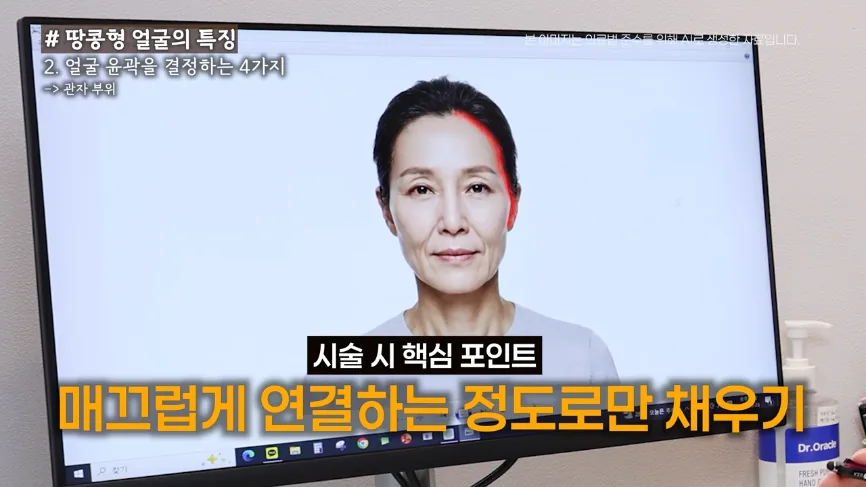
The key is to firmly lift the cheek fat and tissue that have slid downward back to where they sat when you were younger, and smoothly reposition them.
Wrapping Up
In our next post, we’ll go through which treatments are right for each area in detail. If a peanut-shaped face is something that bothers you, we recommend coming in to DAYONE Clinic near Gangnam Station to talk with one of our physicians. If you have any questions, don’t hesitate to reach out.
This post is based on an interview from DAYONE Clinic’s YouTube channel, Face Design Lab.
This article is general information about the treatment and does not replace an individual diagnosis or treatment plan. Results and their duration vary from person to person.
Wondering what would suit you?
Whether a treatment suits you, and how to plan it, is best decided with a doctor.